
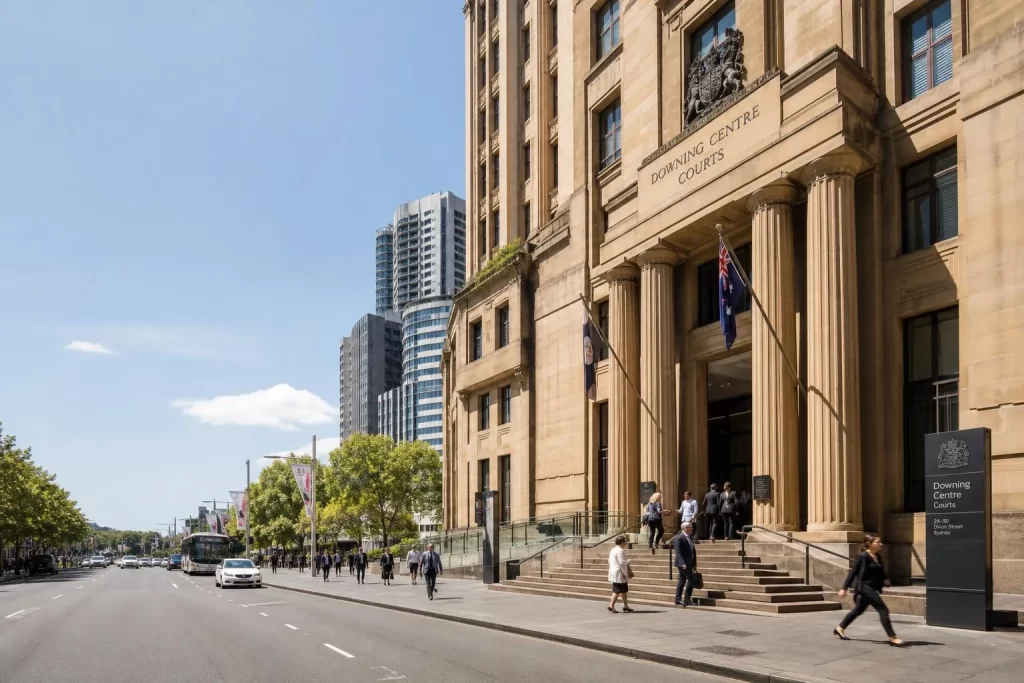
Drug offences in NSW are primarily governed by the Drug Misuse and Trafficking Act 1985 (NSW), with penalties influenced by quantity, role, and health considerations. Recent policy shifts emphasise police diversion for low‑level possession and careful bail risk assessment for supply charges. Court procedure follows charge, election, case conferencing, and sentencing. Early legal advice improves bail and sentencing outcomes.
Key Legal Points
- NSW drug offences span possession, supply, cultivation, manufacture, and related conduct
- Recent policy favours diversion for minor possession while treating supply seriously
- Bail for commercial supply often requires showing cause and addressing risk
- Quantity thresholds drive charge severity, election, and potential penalties
- Court procedure moves from charge, brief, negotiation, to plea or hearing
- Early treatment engagement improves bail prospects and sentencing outcomes
- Common mistakes include ignoring diversion and failing to challenge searches
Drug offences refer to crimes involving possession, use, supply, manufacture, cultivation, and related conduct with prohibited drugs. In NSW, penalties and court procedure depend on the alleged conduct, quantity, and personal factors. Recent policy and legislative changes affect how police deal with low-level possession and how courts approach sentencing and bail applications.
Definition of Drug Law Changes in NSW
Legal Framework
Drug offences are mainly created by the Drug Misuse and Trafficking Act 1985 (NSW). Sentencing is guided by the Crimes (Sentencing Procedure) Act 1999 (NSW), and court process by the Criminal Procedure Act 1986 (NSW). The Bail Act 2013 (NSW) governs bail applications, including show cause and risk assessment tests.
Key Definitions
- Small, indictable, commercial, large commercial quantity means threshold amounts that scale penalties
- Possession means custody or control with knowledge
- Supply includes actual supply, offering, and possession for supply
- Deemed supply applies where possession exceeds an indictable threshold
- Traffickable quantity signals higher risk of a supply charge
- Show cause offence means certain serious charges require the accused to justify release
What Has Changed Recently
Recent NSW policy emphasises early health-based responses to low-level personal possession, with increased diversion pathways and police discretion. Courts continue to treat supply, especially at commercial thresholds, as serious. The NSW Crimes Act intersects for search, evidence, and some procedural offences, while sentencing trends highlight rehabilitation and risk reduction where appropriate.
Recent Changes to Drug Offences and Penalties in NSW
Police Diversion and Infringements
NSW policing increasingly uses pre-court diversion for minor possession. Depending on the substance and quantity, police may issue a warning, referral to a health service, or a criminal infringement notice instead of charging. Completion of tailored education or treatment can avoid a conviction in appropriate cases.
Supply, Thresholds and Aggravating Factors
For supply, recent practice focuses on role, sophistication, and links to harm. Aggravating factors include supply to children, near schools, or within organised operations. Quantity thresholds still drive charge grading and maximum penalties, and deemed supply remains a live issue when possession exceeds indictable levels.
Sentencing Trends and Standard Non-parole Periods
Courts weigh rehabilitation prospects, addiction treatment, and early pleas. For serious supply matters, custody is common, but intensive correction orders and community-based outcomes are available for appropriate offenders and quantities. In real scenarios, we see strong treatment engagement materially reduce head sentences and non-parole periods.
Court Procedure for Drug Offences
Step-by-step Process
- Police charge and bail decision, or issue of a court attendance notice
- First mention in the Local Court, with brief of evidence orders
- Case conferencing and charge negotiations after service of the brief
- Election: summary hearing in the Local Court or committal to a higher court
- Plea or hearing, with evidence tested and legal arguments determined
- Sentencing, including submissions on rehabilitation, character, and objective seriousness
Documentation Needed
Gather treatment records, counselling attendance, urine screens, employment letters, and character references addressing remorse and insight. Defence disclosure may include expert evidence on addiction, or forensic challenges about continuity and admissibility of seized material.
Example Scenarios
Common patterns include small-quantity possession diverted pre-court, first-time deemed supply after a party search, and postal interceptions leading to supply charges. In real scenarios, we see early admissions and treatment plans improve outcomes for drug offences even where the brief appears strong.
Bail Applications for Drug Offences
Show Cause and Unacceptable Risk
For commercial and large commercial supply, bail is show cause. The defence must explain why detention is not justified, then address unacceptable risks like failure to appear, interfering with witnesses, or reoffending. Tailored conditions and verified accommodation are central to success.
Practical Bail Preparation
Prepare a stable residence, supervisor details, treatment enrolment, and strict reporting. Propose conditions such as curfew, non-association, and devices surrender if relevant. Professional representation for contested bail applications includes Bail Applications And Refusals.
Health-based Conditions
Court-ordered treatment, counselling, and abstinence conditions are common. In drug offences, verified rehabilitation plans can overcome risk concerns and demonstrate a pathway to compliance.
Common Mistakes in Drug Matters
What to Avoid
- Discussing the case on social media or with potential witnesses
- Ignoring health treatment opportunities that could support bail or sentencing
- Pleading early without reviewing the brief and challenging search legality
- Overlooking quantity threshold implications for deemed supply
- Failing to prepare meaningful character and employment materials
Real-world Examples
A defendant with small-quantity possession missed a diversion referral and was later charged again, limiting leniency. Another, facing deemed supply, avoided a custodial sentence after disputing weight purity and completing rehabilitation with strong supervision.
Deadlines, Limits and Costs
Time Factors
Police must serve the brief within court-ordered timeframes, typically a few weeks in the Local Court. Defence should act promptly for forensic analysis or CCTV retrieval. Delays in arranging treatment or references can reduce negotiating leverage.
Financial Considerations
Costs vary with complexity, expert reports, and laboratory testing. Fines for minor drug offences are possible, but legal costs are the primary expense. Community service and treatment may involve out-of-pocket fees, though many services are subsidised.
Quantity Thresholds at a Glance
- Small quantities typically align with diversion eligibility
- Indictable quantities can trigger deemed supply and District Court election
- Commercial and large commercial quantities generally attract full-time custody
Consequences and Collateral Impacts
Sentencing and Records
Convictions affect employment, visas, and travel. For some drug offences, non-conviction orders or conditional release are possible where circumstances support leniency. A criminal record may be spent after statutory periods, except for serious matters.
Immigration and Employment
Visa holders risk character issues after conviction. Regulated professions may face disciplinary action for drug offences. Employers often require disclosure of pending charges for safety-critical roles.
How to Resolve and Next Steps
Practical Guidance
Early legal advice helps identify defences, diversion eligibility, and negotiation strategy. Evaluate search and seizure legality, admissibility, and drug analysis. For learning on penalty ranges and options, see Drug Offences NSW Penalties.
Recommended Actions
- Engage in treatment and obtain supporting records
- Secure stable housing and propose enforceable bail conditions
- Collect references addressing insight and abstinence
- Analyse purity, weight, and possession knowledge issues
- Consider early plea where the brief is strong to access discounts
Getting Professional Help
Expert assistance with court procedure and bail applications can reduce risk and improve outcomes for drug offences. Our team prepares evidence packs that address risk, rehabilitation, and proportionality, tailored to current NSW sentencing and diversion settings.
Understanding the Role of the NSW Crimes ACT in Drug Cases
Explanation
While core drug offences sit in the Drug Misuse and Trafficking Act, the Crimes Act 1900 (NSW) influences evidence, search-related matters, and ancillary offences like resisting police. Sentencing aggravation principles and procedural protections also interact with drug prosecutions.
Practical Impact
In practice, errors in search, continuity, or admissibility can shift outcomes. Challenging these issues early can lead to charge withdrawal or downgrading, especially in possession or deemed supply matters.
Frequently Asked Questions
What are the main laws for drug offences in NSW?
Most drug offences are in the Drug Misuse and Trafficking Act 1985 (NSW). Sentencing is under the Crimes (Sentencing Procedure) Act 1999 (NSW). Court process is governed by the Criminal Procedure Act 1986 (NSW), and bail decisions by the Bail Act 2013 (NSW). Threshold quantities drive charge grading and maximum penalties.
Have penalties for drug offences changed recently?
Maximum penalties remain high for supply, particularly at commercial thresholds. Recent policy emphasises health-based diversion for low-level possession and nuanced sentencing that rewards genuine rehabilitation. Courts still impose custody for serious supply, but community-based options exist where risk is manageable and treatment engagement is strong.
Can I get diversion instead of a conviction for possession?
Yes, in appropriate cases. Police may use warnings, referrals, or infringement notices for small-quantity possession. Eligibility depends on substance, quantity, prior history, and cooperation with education or treatment. Timely participation and legal advice improve prospects of avoiding a conviction.
How do bail applications work in serious supply cases?
Commercial and large commercial supply are often show cause. You must demonstrate why detention is not justified, then address unacceptable risks. Verified accommodation, strict conditions, supervision, and treatment enrolment can be decisive. Preparation of comprehensive supporting materials is critical.
What factors reduce a sentence for drug offences?
An early plea, demonstrated rehabilitation, treatment compliance, clean urine screens, stable employment, and strong insight can reduce penalty. For supply, a lesser role, limited sophistication, and cooperation may mitigate. Expert evidence on addiction and prospects of reform often assists.
What is deemed supply and why does it matter?
Deemed supply arises when possession exceeds an indictable threshold, allowing an inference of supply. It elevates seriousness and shifts the defence task to rebut supply intent. Challenging weight, purity, and control can be decisive in negotiating a lesser charge.
What should I prepare before my first court date?
Arrange a lawyer, commence treatment if substance use is relevant, and gather character references. Confirm your address, employment, and support network for potential bail conditions. Avoid discussing the case publicly. Request disclosure of the brief and consider forensic issues early.
Legal Disclaimer
Important Notice: The information provided on this website is for general informational purposes only and should not be considered as specific legal advice. Laws may vary between Australian states and territories, and legal requirements can change over time.
For specific legal advice regarding your individual circumstances, please consult with a qualified Australian legal practitioner who can provide guidance tailored to your particular situation.
This content is accurate as of the date of publication. We recommend seeking current legal advice for any legal matters.