
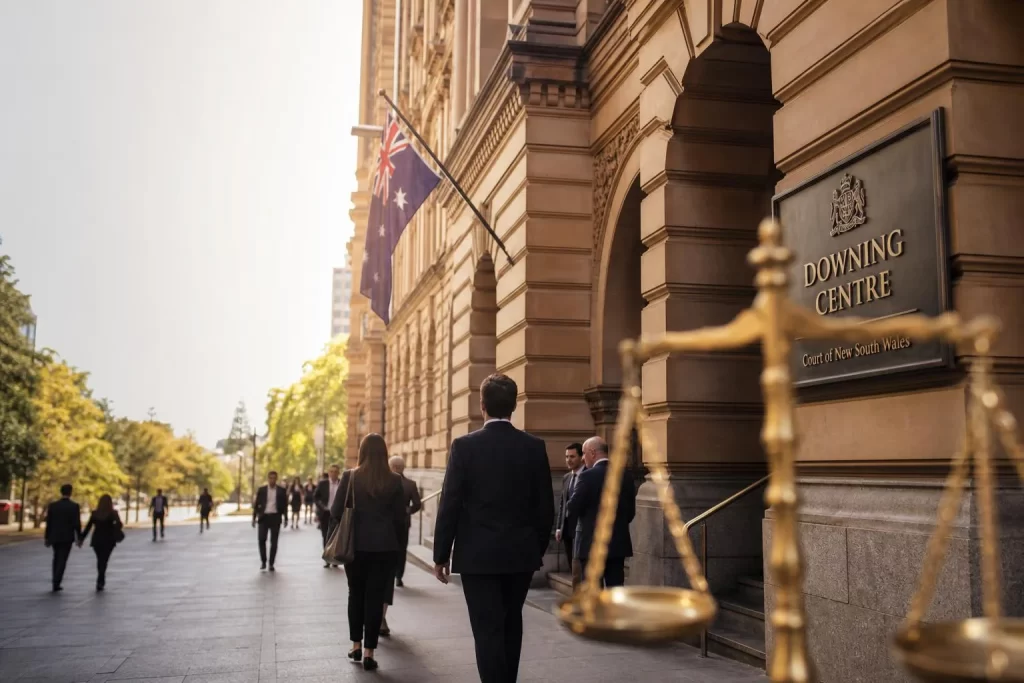
Bail in New South Wales is decided under the Bail Act 2013 (NSW) using a two‑stage assessment of unacceptable risk and, for certain offences, a show cause test. Courts weigh risks of flee, reoffending, interference with witnesses, and safety. Strong sureties, verified addresses, and treatment plans help. Complex matters should be prepared by a NSW criminal lawyer.
Key Legal Points
- Bail is conditional release before a criminal matter is finalised
- NSW courts apply unacceptable risk and show cause where mandated
- Stronger bail bids use verified housing, sureties, and treatment plans
- Prepare affidavits and exhibits that map conditions to each risk
- Renewed or Supreme Court applications require new facts or detail
- Breaches risk revocation and additional offences, seek prompt advice
- Timelines improve with early evidence gathering and realistic proposals
In New South Wales, bail is the conditional release of an accused person while charges proceed through the courts. It turns on risk, not punishment, and is governed by statute and recent case law. This article explains trends shaping bail applications in NSW and how to navigate current challenges.
Definition and Core Principles
What Bail Means in NSW
Bail means conditional liberty before a matter is finalised. It rests on two pillars: assessing unacceptable risk and, for some charges, satisfying a show cause hurdle. Courts focus on community safety, integrity of proceedings, and the accused’s compliance prospects.
Key Legal Tests
- Unacceptable risk: risk of failing to appear, committing a serious offence, endangering safety, or interfering with witnesses
- Show cause: for specified serious offences, the accused must show why detention is not justified
- Assessment factors: background, ties, criminal history, strength of the Crown case, and available conditions
Understanding NSW Bail Law
Legal Framework
The statutory framework is the Bail Act 2013 (NSW) with amendments steering a risk-based approach. Practice directions and appellate guidance emphasise tailored conditions, evidence-backed proposals, and proportionality.
Recent Trends in Decisions
In real scenarios, we see closer scrutiny of domestic violence, drug supply, and firearm matters. Electronic monitoring, residential rehabilitation, and curfews are considered more often. Courts increasingly demand concrete proposals, such as verified addresses, employment, and treatment plans.
Requirements and the Bail Application Process
Step-by-step Process
- Identify whether the offence triggers show cause and the likely risk issues
- Gather evidence: fixed address, surety details, employment or study confirmation, medical or rehab plans
- Draft a conditions proposal addressing each risk with enforceable measures
- File and serve the bail application, supporting affidavit, and exhibits
- Appear, make submissions on show cause and risk, and respond to police or DPP objections
Documentation Needed
- Letters supporting accommodation and supervision, including landlord or household confirmations
- Surety statements, payslips, property title or bank statements, and identity documents
- Health or rehabilitation programme acceptance letters and treatment schedules
- Employment contracts, study enrolment, and community ties references
Common Mistakes in Bail Applications
What to Avoid
- Failing to address show cause head on where it applies
- Offering vague conditions that do not manage the particular risk alleged
- Neglecting to verify addresses, sureties, or rehabilitation placements in writing
- Ignoring adverse criminal history or weakly confronting a strong Crown case
Real-world Examples
Common patterns include weak proposals for alleged drug supply without a detox or rehab plan. In alleged domestic violence matters, courts often require strict non-contact, residential relocation, and counselling. For traffic matters linked to risky driving, see related context in Reckless Dangerous Driving Offences Australia.
Timeframes, Conditions and Costs
Timeline Expectations
Bail applications can be run at first appearance, but adjournments often assist to obtain surety documents and treatment confirmations. If refused in the Local Court, a release application in the Supreme Court can follow, usually with more detailed material.
Financial Considerations
- Sureties may involve cash deposits or property undertakings
- Electronic monitoring and rehab can attract fees, which should be budgeted
- Legal fees vary with complexity and number of hearing days
Consequences of Refusal or Breach
What Happens if Bail is Refused
If refused, an accused remains in custody and may renew in the same court if new facts arise, or apply to a higher court. Strategy often shifts to strengthening accommodation, treatment, or supervision.
Compliance Requirements
- Strict adherence to non-contact orders, curfews, and reporting
- Immediate legal advice for any alleged breach, as variations may be possible
- Failure to comply risks revocation and new offences for breach of bail
Bail Application Challenges and How to Address Them
Show Cause Hurdles
Show cause often arises with serious violence, firearms, and repeat indictable offending. Effective strategies include verified rehab entry, 24‑hour supervision plans, strict non-contact conditions, and financial sureties proportionate to risk.
Strength of the Crown Case
Courts weigh the evidence. Where the prosecution case appears strong, persuasive conditions plus demonstrated stability and supports are crucial. Conversely, where the case is weak, submissions should clearly identify evidentiary gaps.
Practical Trends and Real-world Examples
Technology and Monitoring
Courts increasingly consider GPS monitoring with home detention for certain higher risk applicants, balanced against privacy and practicality. In practice, the feasibility and cost must be addressed upfront.
Health and Rehabilitation
Drug treatment plans can shift risk assessments by reducing reoffending risk. For example, an applicant accepted into a residential programme with random testing and case management may satisfy the court that bail risks are manageable.
How to Strengthen a Bail Application
Evidence That Persuades
- Independent verification of housing, including length of stay and household rules
- Documented treatment or counselling with dates, provider credentials, and compliance checks
- Letters from employers, mentors, or community leaders addressing reliability and supervision
Condition Design
Conditions must map to each alleged risk. For flight risk, use daily reporting, passport surrender, and sureties. For interference, propose strict non-contact and geographic exclusions. For safety concerns, include relocation and monitored abstinence if substance misuse is relevant to risk.
Appeals and Renewed Bail Applications
When to Reapply
Renewal is viable on new facts or circumstances, such as confirmed rehab or a changed prosecution case. Keep a paper trail demonstrating what has materially shifted since refusal.
Supreme Court Strategy
Higher court release applications require comprehensive affidavits and exhibits. Address each statutory factor, anticipate objections, and present a structured conditions matrix that the court can adopt.
Process / Steps for Variations and Compliance
Varying Conditions
- Identify the specific condition causing difficulty and the linked risk it manages
- Gather evidence showing why the alternative still controls the risk
- Apply to vary in the court with conduct of the proceedings
Managing Alleged Breaches
Seek immediate advice, obtain proof of reasonable excuse if relevant, and consider variation to prevent recurrence. Early, proactive engagement can prevent revocation and fresh charges relating to bail.
How to Get Help with a Bail Application
When to Instruct a Lawyer
In serious allegations or where show cause applies, engage a lawyer early to gather material and design enforceable proposals. Professional representation for complex liberty issues is available through Bail Applications And Refusals.
Further Reading and Crossovers
Bail issues often intersect with driving, drug, and violence allegations. Learn more about risk contexts and court approaches in Reckless Dangerous Driving Offences Australia, which highlights factors that also inform bail risk analysis.
Key Takeaways for NSW Bail Strategy
Essentials at a Glance
- Prepare early, verify everything, and tailor conditions to each identified risk
- Show cause must be squarely met with concrete, testable safeguards
- Health, employment, and family supports can decisively influence the court’s risk calculus
Practical Impact
Well-prepared proposals reduce custody time, support rehabilitation, and protect proceedings. Done properly, bail benefits both the justice system and the accused by managing risk without unnecessary detention.
Frequently Asked Questions
What does ‘show cause’ mean for bail in NSW?
Show cause requires the accused to demonstrate why detention is not justified for certain serious offences. Arguments usually rely on strong supervision, treatment, or sureties, plus factors like weak prosecution case or exceptional personal circumstances. Evidence must be specific, independently verified, and address identified risks.
How can I make a stronger bail proposal?
Tailor conditions to each risk, such as daily reporting for flight risk or strict non-contact and geographic exclusions for interference concerns. Provide verified accommodation, employment letters, treatment plans, and surety documents. Use affidavits and exhibits that the court can adopt as enforceable conditions.
Can I reapply for bail if refused in the Local Court?
Yes, you can renew an application if there are new facts, circumstances, or information, or apply to the Supreme Court for release. Strengthen evidence by confirming rehabilitation entry, updated supervision, or changed prosecution case. A detailed affidavit and a refined conditions matrix are essential for higher court applications.
What happens if I breach bail conditions?
Alleged breaches can lead to arrest, variation, or revocation. You may also face additional offences. Seek immediate legal advice, gather proof of reasonable excuse if applicable, and propose condition variations to prevent recurrence. Early engagement may avoid detention while the court considers the response.
Do electronic monitoring and rehab help with bail?
They can. GPS monitoring, home detention, and accredited rehabilitation programmes may reduce assessed risks. Courts expect cost and practical issues to be addressed and for treatment providers to confirm supervision and testing. These measures work best within a broader, evidence-backed supervision plan.
How long does a NSW bail application take?
Simple applications can be heard at first appearance. Complex matters often need adjournments to assemble surety, accommodation, and treatment evidence. Supreme Court release applications require more preparation time and detailed affidavits. Timelines vary with court availability and the readiness of verified material.
Legal Disclaimer
Important Notice: The information provided on this website is for general informational purposes only and should not be considered as specific legal advice. Laws may vary between Australian states and territories, and legal requirements can change over time.
For specific legal advice regarding your individual circumstances, please consult with a qualified Australian legal practitioner who can provide guidance tailored to your particular situation.
This content is accurate as of the date of publication. We recommend seeking current legal advice for any legal matters.