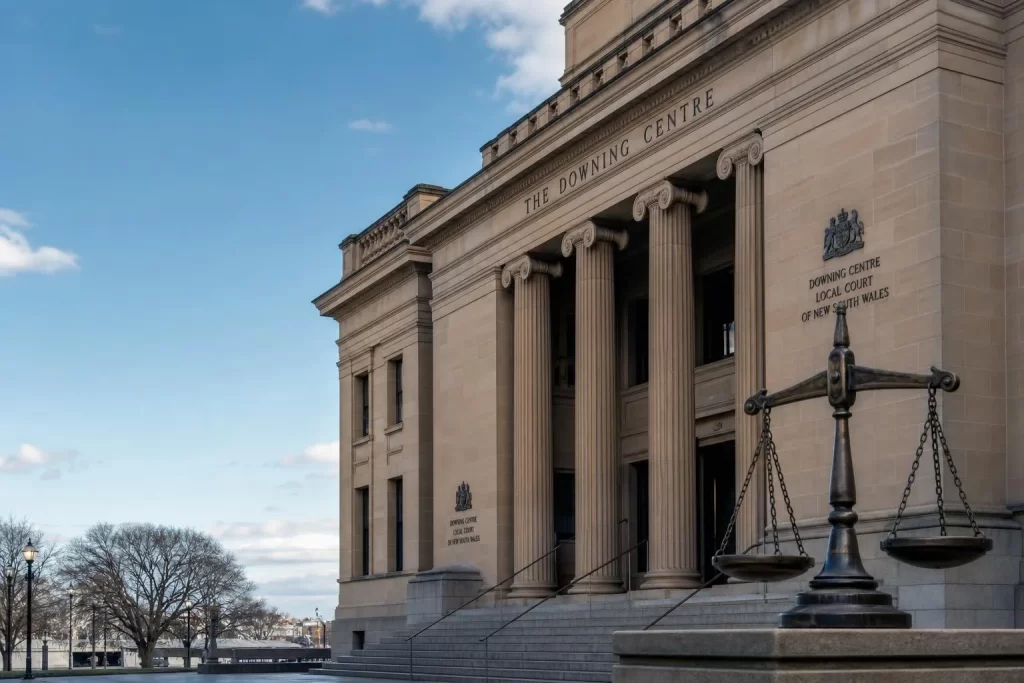

Intervention orders in NSW, commonly called ADVOs or APVOs, are Local Court orders that restrict contact and behaviour to protect safety. Police can issue urgent provisional orders, and courts can grant interim protection at the first listing. Breaching an order is a criminal offence. Solid, chronological evidence and tailored conditions are critical for a durable outcome.
Key Legal Points
- Intervention orders in NSW are ADVOs or APVOs protecting personal safety
- The Local Court applies a reasonable fear and necessity test for orders
- Police can issue urgent provisional protection before a court hearing
- Clear, chronological evidence and consistent accounts strengthen applications
- Interim orders may be made at first mention where risk is established
- Breach of an order is a criminal offence with serious penalties
- Orders must align with parenting arrangements to avoid unsafe conflicts
Intervention orders in NSW are court orders that restrict a person’s contact or behaviour to protect another’s safety. In New South Wales they are commonly called Apprehended Violence Orders, either ADVOs for domestic relationships or APVOs for non-domestic situations. This guide explains eligibility, process, risks and practical impacts.
Understanding Intervention Orders in NSW
Legal Framework
In NSW, intervention orders are made under the Crimes (Domestic and Personal Violence) Act 2007 (NSW). The Local Court can issue interim or final orders if satisfied there are reasonable grounds to fear and the fear is reasonable. Police can also issue provisional orders in urgent situations.
Key Definitions
ADVO means an order protecting someone in a domestic relationship, such as partners, ex-partners or family members. APVO applies where no domestic relationship exists, for example neighbours or acquaintances.
- Protected person: the person the order aims to keep safe
- Defendant: the person restrained by the order
- Conditions: specific prohibitions, such as no contact or staying a set distance away
- Breach: a criminal offence if conditions are not followed
Who Can Apply
Police frequently commence ADVOs, especially after domestic incidents. Individuals can file private applications for APVOs or ADVOs when police decline to act. Parents may apply on behalf of children, and multiple protected persons can be listed where risks overlap.
NSW Intervention Order Process: Step-by-step
Step-by-step Process
- Report and risk assessment: Police assess risk, or you attend the Local Court registry to lodge an application
- Filing: Complete the application, attach your statement and any evidence
- Interim decision: The Court may make an interim order if immediate protection is justified
- Service: The defendant must be personally served with the application and any interim order
- Mention: The first court date, where the defendant indicates consent or opposition
- Mediation or directions: APVOs may be referred to Community Justice Centres; defended matters receive timetables
- Hearing: Evidence is taken, credibility assessed and orders decided
- Final order or dismissal: Orders are made for a set period, often 12 months or more
Evidence and Documentation
Strong evidence improves outcomes. Useful material includes:
- Text messages, emails, social media posts and call logs
- Photographs of injuries or property damage, medical notes and police event numbers
- Witness statements, CCTV or audio where lawfully obtained
In real scenarios, we see outcomes hinge on contemporaneous messages, precise timelines and consistent accounts across police statements and affidavits.
Urgent and Interim Orders
Where risk is immediate, police may issue a provisional order, followed by a court interim order. Interim orders are common if the alleged conduct involves threats, stalking, strangulation indicators or access to weapons.
Requirements and Thresholds
Test the Court Applies
The Court considers whether the protected person has reasonable grounds to fear and whether an order is necessary and appropriate. Patterns of coercive control, stalking, intimidation or past breaches weigh heavily.
Police vs Private Applications
Police ADVOs often proceed even if the victim is hesitant, reflecting public safety priorities. Private applicants must prepare their own material and attend court events. Mediation may be attempted for APVOs where violence risk is lower.
Service and Safety Planning
Service is critical so the defendant knows the case and any interim conditions. Practical safety planning often includes changing routines, enhancing home security and documenting all contact.
Common Mistakes in Applying for Intervention Orders
What to Avoid
- Filing without clear, chronological evidence or specific incidents with dates and locations
- Contacting the defendant after filing, which can undermine risk claims
- Ignoring safe service arrangements, particularly where addresses must remain confidential
- Overly broad conditions that are hard to enforce or do not match the risk
Real-world Examples
Common patterns include a defendant contacting a protected person through friends to test boundaries, or applicants omitting prior unreported incidents that would show escalation. Precise detail can be the difference between an interim order and a dismissal.
Deadlines, Duration and Costs
Time Factors and Duration
Interim orders can be made on the first date. Final orders typically run 12 months, but longer where risk persists. Applications to vary can occur at any time with fresh evidence or material change in circumstances.
Filing, Service and Legal Costs
Registry filing fees for private APVOs may apply. Legal costs in defended hearings can be significant and costs orders are discretionary. Factor travel and time off work for court attendances. Consider Legal Aid if eligible.
Interaction with Family Law
ADVO conditions must align with parenting arrangements. The Federal Circuit and Family Court can consider the existence of an ADVO when assessing risk to children. For broader context on risk dynamics, see Family Violence.
Consequences of Intervention Orders
Conditions and Compliance
Orders commonly include no contact, no approaching a home or workplace and no stalking or intimidation. Exemptions may allow communication through lawyers or for court-ordered handovers.
Criminal Consequences of Breach
Breaching an order is a criminal offence that can lead to conviction, fines and imprisonment. In real scenarios, even brief text messages can constitute a breach. A record of non-compliance can influence bail, sentencing and firearms licensing.
Varying, Revoking and Discharging Orders
How to Change or End an Order
Either party can apply to vary or revoke an order by filing, serving and returning to court. The Court will look for changes in risk, counselling or rehabilitation, and any history of compliance.
Child Contact and Exemptions
Where children are involved, orders can include carve-outs for supervised contact or communication through lawyers. Brevity and clarity in conditions reduce accidental breaches at changeovers.
Evidence Tips for Intervention Orders
Building a Persuasive Record
Keep a dated incident diary, preserve messages, and request copies of police event records. Medical and counselling notes can corroborate harm and timelines.
Technology and Stalking Behaviours
Often issues arise with location sharing, spyware or covert accounts. Disable sharing, change passwords and capture screenshots, then seek advice before confronting the defendant.
How to Resolve / Next Steps
Practical Guidance
Consider whether consent without admissions resolves risk swiftly. Narrow, risk-matched conditions are more enforceable than sweeping prohibitions. If served as a defendant, get prompt advice, gather exculpatory evidence and avoid any contact.
Getting Professional Help
Matters involving children, cross-allegations or criminal charges require experienced representation. Professional representation for domestic safety matters includes Domestic And Family Violence Orders, which can align conditions with parenting and criminal considerations.
NSW Intervention Order Process Faqs within Context
When Intervention Orders Are Appropriate
They are appropriate where there is a reasonable fear of violence, intimidation or stalking. Repeated harassment, threats or coercive control commonly meet the threshold.
Typical Timeline
Provisional or interim protection can be immediate. Defended hearings usually take weeks to months, depending on court listings and the complexity of evidence.
Benefits and Risks of Applying
Benefits
- Immediate protection through interim orders and clear legal boundaries
- Police enforcement and criminal penalties for breach
- Documentation that assists related criminal or parenting proceedings
Risks and Considerations
- Cross-applications that complicate evidence and hearings
- Unintended impact on work sites or shared spaces
- Costs exposure in some defended APVO matters
Search Intent Aligned Guidance
NSW Intervention Order Process Explained
Applicants often ask how to apply, how long it takes and what evidence is needed. The steps above outline filing, interim protection and hearing stages.
Applying for Intervention Orders Safely
Use safe contact details on forms, request non-publication of addresses and coordinate with police for safe service. Learn safety indicators and de-escalation tactics where appropriate.
Common Scenarios and Practical Examples
Examples from Practice
We often see tenancy disputes escalate into APVOs after repeated late-night door knocking. In separation, ADVOs may arise from constant tracking and abusive messages. Strong, date-specific evidence is decisive.
Linking with Criminal Allegations
If assault or stalking charges are laid, the ADVO usually proceeds alongside. Consider bail conditions and ensure there is no conflict between bail and order terms.
If you need broader context on how criminal driving matters interact with court risk assessments, you can also review trends in Reckless Dangerous Driving Offences Australia. While unrelated factually, both areas illustrate how courts treat risk, compliance and deterrence.
Used correctly, intervention orders provide swift protection, clear boundaries and enforceable consequences. Misused or overbroad orders can be difficult to police and may increase conflict. Careful preparation, tailored conditions and timely legal advice produce safer, more durable outcomes.
Frequently Asked Questions
What is the difference between an ADVO and an APVO in NSW?
An ADVO protects people in a domestic relationship, such as partners, ex-partners or relatives. An APVO applies where there is no domestic relationship, such as neighbours or colleagues. Both restrict conduct like harassment or threats and carry criminal penalties if breached.
How quickly can I get protection with an intervention order?
Police can issue a provisional order immediately in urgent cases, and the Court can make an interim order at the first listing if risk justifies it. Final orders usually follow a defended hearing, which can take several weeks or months depending on listings and complexity.
What evidence helps most in an intervention order application?
Chronological text messages, emails, social media posts, call logs, photos of injuries or damage, medical notes, police event numbers, and witness statements are persuasive. A dated incident diary and consistent accounts across affidavits and police statements significantly strengthen the case.
Can an intervention order affect my contact with my children?
Yes. ADVO conditions can restrict contact and changeover arrangements. The Court can include exemptions for parenting orders or supervised handovers. Always ensure conditions align with any Federal Circuit and Family Court parenting orders to avoid accidental breaches.
What happens if someone breaches an intervention order in NSW?
Breaching an ADVO or APVO is a criminal offence. Police can charge the defendant, and penalties range from fines to imprisonment. A history of breaches can affect bail, sentencing, firearms licences and credibility in related criminal or family law proceedings.
Can I change or end an intervention order later?
Yes. Either party can apply to vary, suspend specific conditions, or revoke an order. The Court considers changes in risk, compliance history, rehabilitation, and any new evidence. You must file, serve the other party and attend court for the variation decision.
Do I need a lawyer to apply for an intervention order?
Legal representation is not mandatory but is strongly recommended where risks are high, there are cross-applications, children are involved, or criminal charges run alongside. A lawyer helps draft precise evidence, tailor conditions and manage court procedure and negotiations.
Legal Disclaimer
Important Notice: The information provided on this website is for general informational purposes only and should not be considered as specific legal advice. Laws may vary between Australian states and territories, and legal requirements can change over time.
For specific legal advice regarding your individual circumstances, please consult with a qualified Australian legal practitioner who can provide guidance tailored to your particular situation.
This content is accurate as of the date of publication. We recommend seeking current legal advice for any legal matters.