
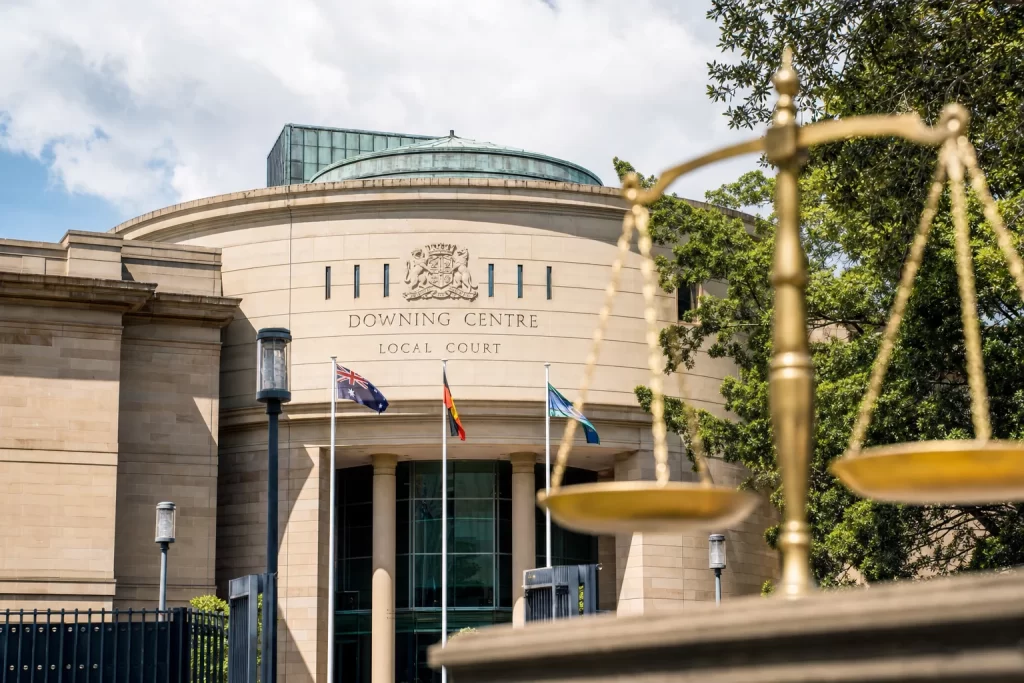
Drug offences NSW penalties are set by the Drug Misuse and Trafficking Act 1985 (NSW) and range from fines or non-convictions for low‑level possession to lengthy imprisonment for supply, commercial quantities, and manufacture. Local Court sentencing is capped at 2 years per offence, 5 years aggregate. Serious matters proceed to the District Court where maximum statutory penalties apply.
Key Legal Points
- Drug offences NSW penalties sit under the Drug Misuse and Trafficking Act 1985 (NSW)
- Possession carries up to 2 years imprisonment and or a fine on conviction
- Supply and manufacture increase sharply by quantity, intent, and role
- Local Court can impose up to 2 years per offence, 5 years aggregate
- District Court deals with contested indictable, commercial and serious supply
- Sentencing ranges vary by quantity thresholds in Schedule 1 of the Act
- Early plea, rehabilitation, and utility of admissions can reduce penalty risk
Drug offences NSW penalties cover the range of consequences for possessing, supplying, or manufacturing prohibited drugs. The penalties depend on the substance, the quantity, intent, and the accused’s role. This guide maps the law, sentencing ranges, and where matters are heard in New South Wales.
If you or someone close to you is facing charges, getting early legal advice can materially change the outcome. Our NSW drug offences solicitors can review the brief, advise on plea options, and represent you through every stage of the matter.
Definition and Legal Framework
Core Offences under the ACT
Possession means exclusive custody or control of a prohibited drug. Supply includes selling, agreeing to supply, or knowingly participating in supply. Manufacture and cultivation capture producing drugs or precursors. The Drug Misuse and Trafficking Act 1985 (NSW) sets offences and quantity thresholds that scale drug offences NSW penalties.
Quantity Thresholds and Tables
Schedule 1 sets ‘small’, ‘traffickable’, ‘indictable’, ‘commercial’, and ‘large commercial’ quantities. These thresholds drive election, jurisdiction, and sentencing. See Drug Misuse and Trafficking Act 1985 (NSW) Schedule 1 for prescribed amounts that underpin drug offences NSW penalties.
Key Terms at a Glance
- Possess: physical or exclusive control, knowledge inferred from circumstances
- Deemed supply: possession above traffickable quantity can infer intent to supply
- Table offences: categories guiding whether matters proceed summarily
- Summary vs indictment: Local Court caps apply vs full statutory maximums
- Objective seriousness: role, quantity, planning, and profit motive
- Subjective case: plea, rehabilitation, remorse, prospects, and antecedents
Understanding Drug Offences NSW Penalties
Possession: Typical Outcomes
Possession (s 10) carries up to 2 years and a fine on conviction. First‑time low‑level matters often attract conditional release orders, fines, or occasionally non‑convictions, depending on rehabilitation and cooperation. Police cautions or drug diversion may be available for very minor cannabis possession.
Supply: Scaling by Quantity
Supply (s 25) penalties scale steeply. Below commercial quantities, sentences range from community‑based orders to full‑time imprisonment for repeat or organised conduct. Commercial quantity attracts up to 20 years, and large commercial can attract life, reflecting the most severe drug offences NSW penalties.
Manufacture and Cultivation
Manufacture (s 24, s 24A) and cultivation (s 23) are treated seriously, particularly where risk to public safety or sophistication is proven. Sentences range from intensive correction orders to lengthy imprisonment, with laboratories, precursors, and yield evidence affecting outcome.
Drug Offences NSW Penalties by Court and Quantity
Local Court Jurisdiction Limits
When dealt with summarily, the Local Court can impose up to 2 years per offence and a 5‑year aggregate. Many low‑level possession and some lower‑end supply matters remain in the Local Court, where sentencing statistics trend to community‑based outcomes for first offenders.
District Court and Elections
Table 1 offences, including many supply charges, may proceed on indictment in the District Court, where the statutory maximums apply. The prosecution or defence can elect in certain cases, which materially changes exposure to drug offences NSW penalties.
Sentencing Ranges in Practice
In real scenarios, we see small‑quantity supply attracting intensive correction orders where rehabilitation is strong, while mid‑range supply often results in custodial terms with parole. Large networks, commercial quantities, or manufacturing labs commonly receive substantial full‑time imprisonment.
Process and Defence Steps
Immediate Actions after Charge
- Exercise your right to silence and obtain legal advice
- Gather evidence of treatment, employment, and character references
- Assess police facts, search lawfulness, and admissibility
- Evaluate plea options and potential summary disposal
- Prepare sentencing material or defence brief as needed
Common Defence Pathways
Defences include lack of exclusive possession, unlawful search, duress, or challenging deemed supply by disputing quantity or intent. Negotiations can reduce supply to possession, significantly lowering drug offences NSW penalties and keeping matters in the Local Court.
Common Mistakes That Increase Risk
Procedural and Strategic Errors
- Consenting to broad searches without advice
- Public admissions in texts or social media
- Late rehabilitation steps or poor sentencing material
- Missing opportunities for charge negotiations or summary jurisdiction
Real‑world Examples
Common patterns include young defendants with mixed pills found above traffickable quantity, triggering deemed supply. With toxicology and contextual evidence, cases can resolve to possession, markedly reducing drug offences NSW penalties and community‑based outcomes become viable.
Deadlines, Limits, and Costs
Timeframes and Bail
Summary matters typically resolve in weeks to months. Indictable supply or manufacture can span many months due to forensic briefs. Bail conditions should be managed proactively with compliance evidence to support stable sentencing outcomes.
Financial Considerations
Costs vary with complexity, expert reports, and contested hearings. Community‑based penalties can include treatment or supervision costs. Imprisonment carries collateral costs, including employment loss and family disruption, which courts consider when assessing the least severe sanction consistent with drug offences NSW penalties.
Consequences and Collateral Impact
Criminal Records and Travel
Convictions affect employment, licences, and international travel, particularly to the United States and parts of Asia. Non‑convictions avoid a recorded conviction but still require disclosure in limited contexts. Proceeds of crime orders may follow significant supply or manufacture.
Compliance and Rehabilitation
Court orders may require treatment, abstinence, testing, or supervision. Demonstrated rehabilitation, clean screens, and relapse plans often reduce drug offences NSW penalties and support alternatives to full‑time custody.
How to Resolve and Next Steps
Negotiation and Sentencing Preparation
Charge negotiations addressing quantity, role, and intent frequently reshape outcomes. Strong sentencing material, including treatment progress, employment stability, and character references, can materially lower drug offences NSW penalties and keep sentences in the community.
Getting Professional Help
Expert assistance with criminal defence is available through experienced NSW criminal solicitors. For context on how courts weigh risk and harm across offences, learn more in Reckless Dangerous Driving Offences Australia, which outlines parallel sentencing principles on deterrence and protection.
Sentencing Indicators: What Courts Consider
Objective and Subjective Factors
- Quantity and purity within the threshold band
- Role: courier, street‑level, wholesaler, or organiser
- Planning, profit, and sophistication
- Plea timing, remorse, rehabilitation, and youth
- Criminal history and compliance on bail
Practical Examples
Street‑level supply with early plea and clean drug tests may attract a community correction order. Mid‑range supply with prior convictions may lead to an intensive correction order or short custodial term. Commercial manufacture typically attracts lengthy imprisonment.
Frequently Asked Questions
What are the maximum penalties for drug supply in NSW?
Supply carries increasing maximums by quantity. Non‑commercial supply can attract up to 15 years; commercial up to 20 years; large commercial can attract life. Actual sentences depend on quantity, role, plea, and rehabilitation, with many low‑end matters receiving community‑based orders if dealt with summarily.
Will a first drug possession offence lead to a conviction?
Not always. The Local Court can impose a non‑conviction conditional release order for low‑level possession where rehabilitation and prospects are strong. Outcomes also include cautions or diversion for minor cannabis, fines, or community‑based orders, depending on the facts and personal circumstances.
When does a drug matter go to the District Court instead of the Local Court?
Table 1 offences and serious supply or manufacture typically proceed on indictment to the District Court. Elections by the prosecution or defence and the quantity alleged influence jurisdiction. District Court sentencing is not capped by Local Court limits, exposing defendants to higher statutory maximums.
How do deemed supply laws work in NSW?
If you possess more than a traffickable quantity set in Schedule 1, the court may infer intent to supply. The defence can rebut by evidence showing possession for personal use only. Challenging purity, weight, and context can be decisive in reducing exposure from supply to possession.
What factors most affect drug sentencing outcomes?
Courts weigh quantity, purity, role in the enterprise, planning, and profit. Subjective factors include early plea, remorse, prior record, rehabilitation, and compliance on bail. Strong treatment evidence and structured relapse plans often shift sentences from custody to community‑based orders.
Can police searches for drugs be challenged?
Yes. Searches may be excluded if police lacked lawful grounds or failed to comply with statutory requirements. Successful exclusion of evidence can lead to charge withdrawal or acquittal. Legal advice is essential to assess search lawfulness, admissions, and the prospects of an exclusion application.
Legal Disclaimer
Important Notice: The information provided on this website is for general informational purposes only and should not be considered as specific legal advice. Laws may vary between Australian states and territories, and legal requirements can change over time.
For specific legal advice regarding your individual circumstances, please consult with a qualified Australian legal practitioner who can provide guidance tailored to your particular situation.
This content is accurate as of the date of publication. We recommend seeking current legal advice for any legal matters.