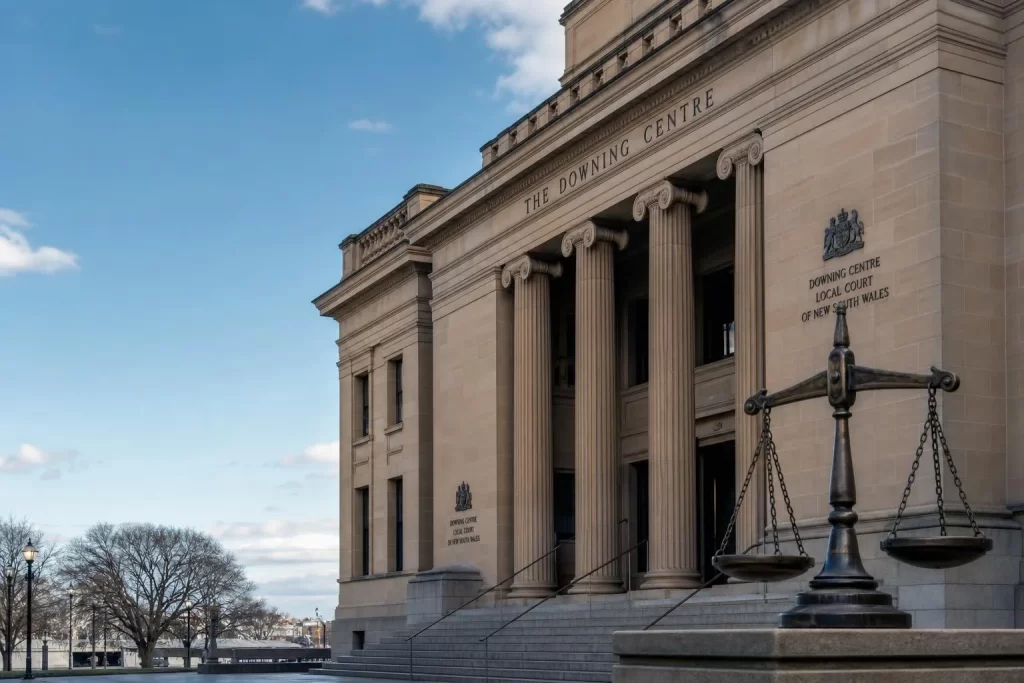

NSW bail laws have recently tightened in targeted areas, including show‑cause offences and risk assessments by the courts. Defendants now face closer scrutiny of prior compliance, family violence risk, and alleged reoffending while on bail. Successful applications focus on managing risk with enforceable conditions and verified supports. Early legal advice is vital to prepare evidence, address show‑cause, and tailor workable supervision conditions in NSW courts.
Key Legal Points
- Bail in NSW is risk based under the Bail Act 2013
- Recent reforms heighten scrutiny of reoffending and family violence risk
- Show‑cause offences require defendants to justify release
- Courts test for unacceptable risk and consider bail conditions NSW
- Prepare evidence of residence, supports, employment, and treatment
- Strict compliance is essential to avoid variation or detention applications
- Timeframes are fast, especially after arrest and first appearance
NSW bail laws set the rules a court or authorised officer applies when deciding whether to release a defendant before trial. The law balances community safety with the presumption of innocence. Recent reforms concentrate on reoffending risk, domestic violence, and compliance history.
Definition and Core Principles
Legal Framework
NSW bail laws are contained in the Bail Act 2013 (NSW) and related regulations. The scheme is risk based, not punitive, and focuses on whether there is an unacceptable risk that cannot be managed by conditions. Courts assess allegations, criminal history, and proposed safeguards.
Key Definitions
- Bail means conditional liberty before a matter is finalised
- Unacceptable risk refers to risks of failing to appear, committing a serious offence, endangering safety, or interfering with witnesses
- Show cause offences require defendants to justify why detention is not warranted
- Bail conditions NSW include reporting, curfews, treatment, non‑contact, residence, and sureties
What Has Changed
Recent bail reform NSW targets repeat offending while on bail, domestic violence risk, and verification of supports. In practice, prosecutors more often seek detention or stringent supervision where risk factors are identified.
Understanding NSW Bail Laws
Risk Assessment and Show Cause
Courts first ask whether show cause applies. If so, the defendant must demonstrate why detention is not justified. Regardless, the court then considers unacceptable risk and whether conditions can safely manage that risk.
Evidence the Court Expects
In real scenarios, we see successful applications backed by written third‑party guarantees, employment letters, treatment enrolment, and verified accommodation. Where violence risk is alleged, strict non‑contact and GPS or electronic monitoring may be proposed.
Authoritative Source
The statutory test and powers are set out in the Bail Act 2013 (NSW), which guides how magistrates and judges must balance liberty and risk.
How the Latest NSW Bail Laws Affect Defendants
Patterns We Are Seeing
Common patterns include stricter scrutiny for alleged reoffending on bail and closer checking of family violence risk. Courts are more likely to insist on verified supports, detailed supervision plans, and prompt treatment engagement.
Practical Examples
- A defendant with prior breaches secured bail by moving address, adding daily reporting, and commencing counselling
- For alleged stalking, robust no‑contact orders, a curfew, and workplace verification addressed the identified risks
- Where drug relapse was a concern, residential rehabilitation and random testing satisfied the court
Linking to Further Reading
For context on the policy drivers behind these trends, see our analysis in NSW Bail Reform, which explains why community safety and compliance now dominate bail decision making.
Process and Steps in the Bail Application Process
Preparing the Application
- Identify whether show cause applies and map evidence to address it
- Assess risks, then design bail conditions NSW to manage each risk
- Collect and verify documents, including residence, employment, and treatment
- Line up sureties and confirm reporting arrangements with police
In Court
The court hears submissions from both sides, then decides whether risks are acceptable with conditions. If refused, a fresh application needs new facts or circumstances unless moved to a higher court.
After Release
Strict compliance is essential. Any suspected breach can trigger a variation or detention application. Keep proof of attendance and compliance logs.
Common Mistakes That Undermine NSW Bail Laws Applications
Evidentiary Gaps
Unverified accommodation, vague supervision, or unconfirmed treatment often sinks prospects. Courts expect specificity, including curfew hours, reporting schedules, and names of supervisors.
Over‑promising Conditions
Proposing unworkable curfews or excessive reporting can backfire. In practice, realistic and enforceable conditions carry more weight than aspirational plans.
Poor Communication
Failure to brief sureties or to notify employers about court dates is a recurrent issue. NSW bail laws require clarity and reliable supports.
Deadlines, Limits, and Costs
Timing and Re‑applications
Matters move quickly after arrest, often reaching the Local Court within 24 hours. Further applications need new information, or an appeal to the Supreme Court may be considered.
Financial Considerations
- Legal fees depend on complexity, evidence preparation, and hearing time
- Sureties may be required and must be able to demonstrate means
- Electronic monitoring, if ordered, may entail setup and ongoing costs
Documentation and Verification
Delays occur when documents cannot be verified. NSW bail laws practice expects letters on letterhead, signed consents, and accurate contact details for checking.
Consequences of Breach under NSW Bail Laws
What Happens if You Breach
Police may arrest and bring the defendant back before the court. The prosecution can seek more onerous conditions or detention. Prior compliance strongly influences the outcome.
Impact on the Substantive Case
Although bail is separate from guilt, breaches can affect credibility and sentencing if convicted. Courts consider bail behaviour at the sentencing stage.
Managing Risk of Breach
Set reminders, avoid contact with complainants, and keep travel within approved limits. Seek prompt variation if circumstances change unexpectedly.
Designing Effective Bail Conditions NSW
Condition Types and Purpose
Conditions should map to risks, for example curfews for late‑night offending or treatment for substance use. Non‑contact and exclusion zones are common in domestic violence matters.
Verification and Monitoring
Courts favour conditions with objective checks. GPS monitoring, random testing, and police reporting provide measurable compliance. NSW bail laws now emphasise verification at the application stage.
Tailoring to Individual Circumstances
Work shifts, caring responsibilities, and health needs must be addressed. Practical, tailored conditions improve both compliance and prospects of grant.
How to Resolve Issues and Next Steps
Varying Bail
If circumstances change, apply to vary conditions with supporting evidence. Provide alternatives that maintain risk management, such as increased reporting in lieu of a strict curfew.
Appeals and Reviews
If refused, consider whether genuinely new material exists. Otherwise, a Supreme Court application may be the pathway. Time is critical, particularly where detention disrupts employment or treatment.
Getting Representation
Expert assistance with contested applications is available through Bail Applications And Refusals, focusing on risk mapping, evidence collection, and persuasive conditions aligned with NSW bail laws.
When to Seek Help
High‑risk Profiles
Show‑cause, family violence, or alleged reoffending on bail are signals to obtain immediate legal advice. Early planning improves outcomes under NSW bail laws.
Complex Evidence
Where GPS, rehabilitation, or medical conditions are proposed, timely coordination with providers is essential. A lawyer can curate admissible, verifiable material that satisfies the court’s requirements.
Frequently Asked Questions
What are the key tests under NSW bail laws?
Courts consider whether show cause applies, then assess unacceptable risk to appearance, safety, serious offending, or witness interference. If risk exists, the court asks whether conditions can adequately manage it. Evidence of housing, employment, treatment, and supervision is critical to demonstrate that workable safeguards are available.
How have recent reforms changed bail outcomes in NSW?
Reforms emphasise reoffending on bail, domestic violence risk, and compliance history. Prosecutors more frequently oppose bail or seek tighter supervision. Courts increasingly require verified supports, concrete monitoring, and tailored conditions. Applications now succeed more often when risks are addressed with enforceable, independently verifiable measures.
What evidence helps a bail application succeed?
Useful materials include verified accommodation, letters from employers, treatment enrolment, surety details, and written undertakings from responsible persons. Compliance plans with reporting schedules, curfew hours, and non‑contact provisions help the court see that identified risks can be managed in the community.
Can I reapply for bail if refused in the Local Court?
You generally need new facts or circumstances for a further Local Court application. If none exist, consider a Supreme Court application. Fresh evidence might include new accommodation, secured employment, confirmed rehabilitation, or material addressing issues that previously concerned the magistrate.
What happens if I breach bail conditions in NSW?
Police may arrest you and bring you before the court. The prosecution can seek stricter conditions or detention. Courts weigh the seriousness and context of the breach and your prior compliance. Keep records of compliance and seek a variation early if your circumstances change unexpectedly.
What are typical bail conditions in domestic violence matters?
Conditions often include strict non‑contact orders, exclusion zones, residence stipulations, and regular reporting. Courts may require counselling or treatment and, in suitable cases, electronic monitoring. The aim is to reduce risk to complainants and the community while preserving the presumption of innocence.
Do I need a lawyer for a bail application in NSW?
Legal representation is strongly recommended, especially for show‑cause offences or complex risk profiles. A lawyer can prepare persuasive evidence, design enforceable conditions, coordinate verification with third parties, and make submissions that address the court’s concerns under the Bail Act 2013 (NSW).
Legal Disclaimer
Important Notice: The information provided on this website is for general informational purposes only and should not be considered as specific legal advice. Laws may vary between Australian states and territories, and legal requirements can change over time.
For specific legal advice regarding your individual circumstances, please consult with a qualified Australian legal practitioner who can provide guidance tailored to your particular situation.
This content is accurate as of the date of publication. We recommend seeking current legal advice for any legal matters.