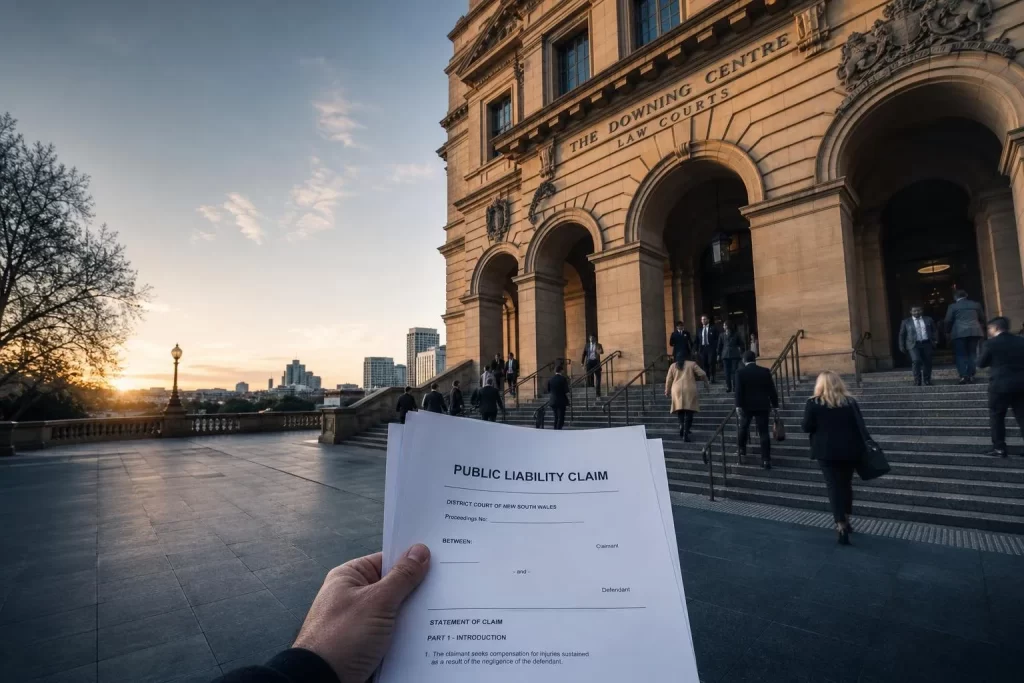

TPD claims in Australia are insurance claims, usually through a superannuation fund, when illness or injury leaves you unlikely to ever return to suitable work. Eligibility depends on the policy definition, medical evidence, and vocational history. Lodging involves detailed forms, specialist reports, and trustee or insurer assessment. If refused, you can challenge the decision and pursue external dispute options within time limits.
Key Legal Points
- TPD claims are insurance benefits often held inside superannuation
- Eligibility turns on policy definition and medical-vocational evidence
- Insurers must act with utmost good faith under federal legislation
- Provide consistent specialist reports and vocational assessments early
- Expect 3–6 months for simple claims, longer if evidence is complex
- Note notice requirements and dispute time limits for adverse decisions
- Lump sums can affect Centrelink and carry tax considerations
TPD claims are insurance claims made when an illness or injury leaves you unable to ever return to work in your education, training, or experience. In Australia, total and permanent disability benefits are typically held inside your superannuation fund. This guide explains eligibility, the process, timelines, and how to avoid common pitfalls.
Understanding Total and Permanent Disability in Australia
Legal Framework
Most TPD benefits are group insurance inside superannuation, governed by trust law and the policy terms. The trustee must consider the medical and vocational evidence and apply the policy definition lawfully. Insurers owe a duty of utmost good faith under the Insurance Contracts Act 1984 (Cth) section 13.
Key Definitions
TPD usually means you are unlikely ever to return to work for which you are reasonably suited by education, training, or experience. Some policies use an any occupation test; others use own occupation. Waiting periods, activities of daily living tests, and partial disability riders vary.
Search Intent at a Glance
- Am I eligible for TPD benefits and what evidence do I need
- How do I file TPD claims through my superannuation fund
- What are typical timeframes, costs, and risks of refusal
- How do TPD benefits interact with workers’ compensation and Centrelink
- What happens if my insurer delays or denies the claim
Eligibility Requirements for Tpd Claims
Policy Tests and Waiting Periods
Eligibility turns on the exact policy definition. Many TPD claims require a minimum absence from work, often 3 to 6 months, plus supporting medical certification. Activities of daily living tests may apply to claimants who were not working before disability.
Medical and Vocational Evidence
In real scenarios, we see strong claims supported by treating specialists, functional capacity evaluations, and clear work history. Vocational assessments help show there is no realistic work within your education, training, or experience, especially where skills are highly manual or safety critical.
Superannuation Fund Membership and Cover Status
Confirm you had active cover when you became disabled. Cover can cease after leaving employment or if super contributions stop. Trustees will check insurance premiums were paid and no exclusions apply, such as pre-existing condition clauses or hazardous occupation limits.
Filing Process for Tpd Claims
Step-by-step Process
- Notify your superannuation fund and request the insurer’s TPD claim pack
- Gather medical reports, imaging, treatment history, and employer statements
- Complete member, employer, and doctor forms accurately and consistently
- Submit forms and evidence, then respond promptly to any requisitions
- Undergo assessments or independent medical examinations if requested
- Receive a decision; if approved, arrange payment to the fund or as policy allows
Documentation Checklist
- Treating specialist reports detailing diagnosis, prognosis, and work capacity
- Functional capacity evaluation and allied health notes
- Position description, payslips, and employer incapacity statement
- Claim forms, authority to release information, and identification
Practical Examples
Common patterns include tradies with spinal injuries who cannot meet inherent job demands after failed rehabilitation. Another example is a nurse developing severe PTSD, supported by psychiatric opinions, who cannot return to any clinically comparable role.
Evidence Tips and Common Mistakes in Tpd Claims
Consistency and Completeness
Insurers compare forms, medical notes, and employer statements side by side. Inconsistent dates, understated duties, or missing treatment periods slow decisions. Keep a timeline of symptoms, treatments, and work absences to maintain internal consistency.
What to Avoid
- Submitting forms without full specialist opinions and objective testing
- Minimising symptoms during assessments or failing to disclose prior injuries
- Missing insurer deadlines or ignoring requests for further information
Independent Assessments
Many TPD claims involve insurer-arranged examinations. Attend, be truthful, and bring key results. If an assessment omits material context, respond in writing with supplementary reports from your treating team.
Timelines, Deadlines, and Costs
How Long a Tpd Decision Takes
Simple claims may resolve within 3 to 6 months after lodgement. Complex medical conditions, multiple superannuation accounts, or factual disputes can extend this to 9 to 12 months. Provide complete evidence early to reduce delay.
Limitation Periods and Notifications
There is no single federal limitation period for TPD claims, but policy notice requirements and trust law limitation periods can apply. If a decision is adverse, strict time limits apply to dispute options, including external complaints.
Fees, Tax, and Financial Impact
Legal fees are often on a conditional costs basis. Benefit taxation depends on components released from super. Some debt relief can follow a lump sum payout, but consider financial advice to manage A$ sums and protect entitlements.
Interactions with Other Schemes
Workers’ Compensation, Ctp, and Centrelink
TPD benefits are separate from workers’ compensation or CTP motor claims. Centrelink may treat lump sums differently, potentially affecting means-tested payments. Disclose other claims to avoid repayment issues or misstatements.
Mental Health and Workplace Factors
Mental health TPD claims often arise after sustained workplace stress or trauma. Learn more about managing evidence and causation in Workplace Psychological Injury Claims.
Superannuation Consolidation
Many Australians hold multiple super accounts, each with potential TPD cover. Check all funds. Some policies cease on account consolidation, so claim against active cover that applied when disability arose.
If Your Tpd Claim is Delayed or Denied
Common Reasons for Refusal
- Insurer says the education, training, or experience test is not met
- Insufficient medical evidence or conflicting opinions
- Policy exclusions or lack of cover at the date of disablement
Dispute Options
You can request written reasons with the evidence relied upon. Provide further reports or clarifications addressing the refusal grounds. If unresolved, consider external dispute resolution through the Australian Financial Complaints Authority where jurisdictionally available.
Litigation and Strategic Settlements
Some disputes proceed to court, particularly where policy interpretation is in issue. Strategically, well-prepared TPD claims with specialist evidence often resolve by negotiated settlement, reducing risk and delay.
Real-world Impact and Benefits of Tpd Payouts
What a Payout Covers
Funds are commonly used to clear mortgages, medical costs, and household expenses. Many policies pay a lump sum into super, then a condition of release allows access, subject to tax components and advice.
Rehabilitation and Return-to-work Attempts
Trying suitable duties rarely harms genuine TPD claims. A good-faith attempt that fails, documented by your treating team, can strengthen the assessment that you are unlikely to ever return to suitable work.
Protecting Your Position
Keep diaries of pain, function, and restrictions. Retain copies of forms and all insurer correspondence. In real scenarios, robust record keeping shortens assessment times and limits disputes over facts.
Getting Help with Tpd Claims
When to Seek Legal Assistance
Seek advice early if definitions are unclear, your medical evidence is complex, or the insurer has delayed beyond reasonable time. Expert assistance with personal injury insurance is available through TPD Income Protection Claims.
Building a Strong Brief
A lawyer will identify the applicable definition, map your vocational profile, and brief specialists with targeted questions. This closes gaps insurers often exploit and frames TPD claims around objective impairment and realistic labour market prospects.
Experience Insights
We commonly see approvals where claimants provide two consistent specialist reports, a detailed vocational opinion, and an employer incapacity statement. Thin or contradictory material, by contrast, drives repeated requisitions and refusals.
How to Lodge Strong Tpd Claims
Six Essentials
- Definition – match evidence to the exact policy wording
- Timeline – document onset, treatment, and work cessation
- Specialist support – at least two aligned expert opinions
- Vocational analysis – ETE focus, not just current job
- Consistency – same facts across all documents
- Responsiveness – meet every insurer request on time
Related Planning
Estate planning and superannuation nominations can influence how benefits are managed. If your disability has long-term implications, align your affairs with competent advice while your claim is progressing.
Professional Pathway
For professional guidance across broader legal needs, consider the resources available via Lawtram’s site and services, which integrate insurance, superannuation, and personal injury strategy.
Frequently Asked Questions
What qualifies as total and permanent disability under most Australian policies?
Most policies require that you are unlikely to ever return to work for which you are reasonably suited by your education, training, or experience. Some use an ‘own occupation’ test, others an ‘any occupation’ test. Waiting periods and activities of daily living tests may also apply depending on your cover.
How long do TPD claims usually take to be decided?
Straightforward claims with complete medical evidence often resolve in 3 to 6 months. Complex medical conditions, disputes over policy definitions, or multiple super accounts can extend decisions to 9 to 12 months. Providing thorough, consistent documentation early helps reduce delays.
Can I make a TPD claim while receiving workers’ compensation or Centrelink?
Yes, TPD is separate to workers’ compensation and Centrelink. However, lump sums or released super may affect means-tested benefits. Always disclose concurrent claims, and seek advice on potential Centrelink impacts and any repayment obligations that might arise.
What evidence best supports a TPD claim?
Aligned specialist reports, functional capacity evaluations, and a vocational assessment addressing your education, training, and experience are key. Employer incapacity statements and consistent timelines of symptoms, treatment, and work absences strengthen the file and reduce insurer requisitions.
What can I do if my TPD claim is denied?
Request detailed written reasons and the evidence relied on, then supply targeted further material addressing the refusal grounds. If the trustee or insurer maintains the decision, consider external dispute resolution options or commencing proceedings within applicable time limits.
Are TPD benefits taxable when paid from super?
Tax depends on the components released from super and your preservation age. Some elements may be concessionally taxed. Obtain tax advice before withdrawing to manage liabilities and potential impacts on other entitlements or debts.
Legal Disclaimer
Important Notice: The information provided on this website is for general informational purposes only and should not be considered as specific legal advice. Laws may vary between Australian states and territories, and legal requirements can change over time.
For specific legal advice regarding your individual circumstances, please consult with a qualified Australian legal practitioner who can provide guidance tailored to your particular situation.
This content is accurate as of the date of publication. We recommend seeking current legal advice for any legal matters.