Recent and upcoming reforms to Australian law are reshaping the legal responsibilities of individuals, families, and businesses alike. From changes to how estates are contested, to updates in migration pathways and new definitions of family violence, staying informed is now more important than ever.
This article breaks down the most significant legal changes happening across the country between 2024 and 2026. Whether you are a property owner, visa applicant, parent, worker, or professional adviser, these updates may affect how you plan, protect, or respond to legal matters.
Law Tram connects Australians with licensed lawyers for secure, tailored advice with no upfront cost to get started. If any of the reforms discussed below may impact you or your clients, our platform offers a confidential way to seek legal guidance early.
Quick Summary of Major Changes
- Succession law modernised in SA, with tighter limits proposed in QLD
- Overhaul of skilled visa programs, with new income thresholds
- Major family law reforms focusing on child safety and coercive control
- Stronger personal injury protections in QLD and WA, with cuts in VIC
- New mandatory disclosure rules for Queensland property sales
Succession Law Reforms
South Australia – Succession Act 2023
Coming into effect on 1 January 2025, the Succession Act 2023 overhauls how wills and estates are handled in South Australia. Key changes include:
- New rights to inspect wills: certain individuals will be entitled to see or copy a will, even before probate is granted
- Updated family provision claims: stepchildren and other financially dependent individuals are now eligible to make claims
- Clarified legal tests: the criteria for determining ‘adequate provision’ have been codified, reducing uncertainty in contested estates
- Executor accountability: courts will be able to order compensation where an executor has caused loss through mismanagement or delay
These changes are designed to simplify estate disputes and ensure fairer outcomes for dependents and beneficiaries.
If you are planning your estate or have concerns about your rights as a beneficiary, a confidential deceased estates consultation with Law Tram can help connect you with a deceased estates lawyer who can clarify your legal position and next steps.
Queensland – Proposed Estate Law Changes
Queensland is consulting on major reforms that would shift how small estates are distributed and who can make a claim. The proposals include:
- Limiting who can contest wills in small estates: adult children or stepchildren would be excluded from making claims on estates under $250,000 unless they are financially dependent or under 25
- Legal costs cap: a limit would be placed on how much legal cost can be deducted from an estate, protecting beneficiaries from excessive reductions
- Separated ex-partners excluded: if a property settlement has been finalised, a former partner would no longer be able to inherit under intestacy laws
These proposals aim to preserve smaller estates for intended beneficiaries and ensure estate disputes are proportionate.
Migration Law Reforms
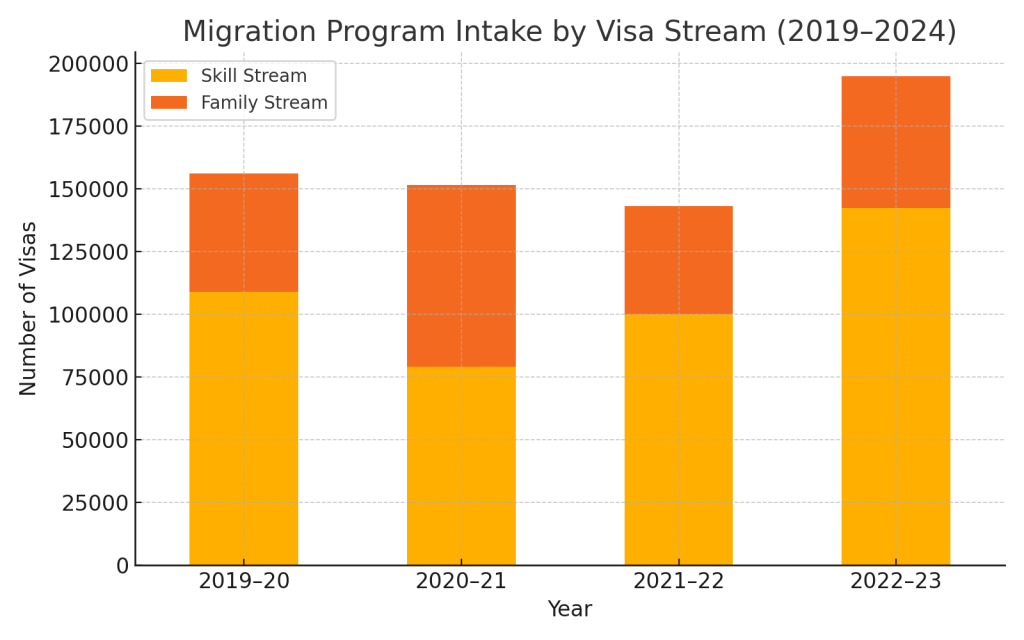
Australia’s migration system is undergoing its most significant transformation in over a decade. The focus is shifting toward skills-based selection, regional needs, and stronger protections for both temporary and permanent visa holders.
Skills in Demand Visa (from December 2024)
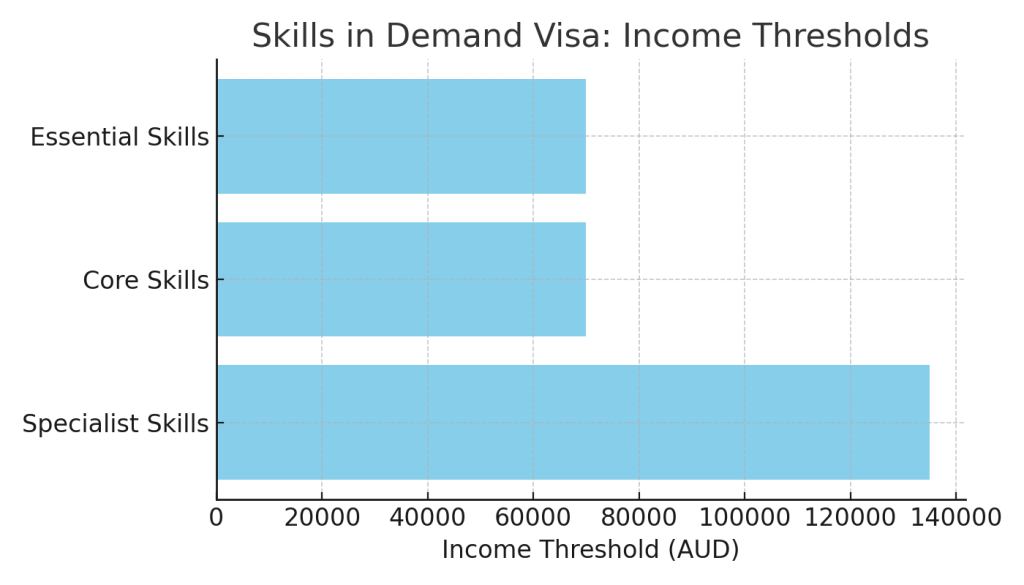
One of the biggest changes is the replacement of the Temporary Skill Shortage (subclass 482) visa with the new Skills in Demand visa. This new visa introduces three distinct income streams:
- Specialist Skills: for roles earning over $135,000
- Core Skills: for roles earning between $70,000 and $135,000
- Essential Skills: for roles under $70,000 in critical sectors, with more rigorous oversight
The new visa offers a pathway to permanent residency and allows greater job mobility, making it easier to change employers without restarting the visa process.
Other Key Changes to Employer and Student Visas
- Employer sponsorship no longer requires advertising through Workforce Australia (since December 2023)
- Temporary Skilled Migration Income Threshold (TSMIT) raised to $70,000 in 2023 and indexed to increase to around $76,500 by July 2025
- Student visa updates include:
- Post-study work rights capped at age 35
- Reinstated work limits of 48 hours per fortnight
- Prioritisation based on education provider risk
- Increased application fees from July 2025
Humanitarian and Family Pathways
- New Zealand citizens now have a direct pathway to Australian citizenship after four years of residence
- Abolition of Temporary Protection Visas and Safe Haven visas, replaced with permanent residency eligibility
- Partner visa processing times have improved as backlogs clear
What to Expect by 2026
- A new points test for skilled permanent visas
- A National Innovation visa to attract high-value global professionals
- Continued emphasis on regional migration and enforcement of worker protections
To explore your visa options, permanent residency pathways, or appeal risks, consider tailored guidance from licensed migration lawyers on Law Tram.

Family Law Updates
Family law in Australia is undergoing major reform, with a clear focus on child safety, cultural recognition, and the protection of victims of family violence.
Parenting and Property Reforms
The Family Law Amendment Act 2023, effective from 2024, removes the presumption of equal shared parental responsibility. Courts are now guided by:
- The safety and wellbeing of the child
- Each parent’s capacity to meet the child’s needs
- Cultural connections, especially for Aboriginal and Torres Strait Islander children
This refocuses legal decision-making on the child’s best interests.
Broader Definitions of Family Violence
The Family Law Amendment Act 2024, fully rolled out by June 2025, expands the definition of family violence to include:
- Coercive control
- Economic abuse
- Non-physical patterns of harm
These changes give courts stronger grounds to consider abuse when making decisions about parenting and property matters. Victims of financial or emotional control can now have their experiences more fully recognised.
National Alignment
Western Australia is updating its Family Court Act to reflect federal reforms by December 2024, ensuring that protections are consistent across all states and territories.
If you are navigating parenting arrangements or have concerns about coercive control, a consultation with family lawyers who can help you understand your legal rights is available on Law Tram.
Personal Injury and Workers’ Compensation
Queensland – Stronger Worker Protections
Queensland’s recent reforms include:
- Faster motor vehicle accident claims and capped legal fees
- Lower threshold for psychological injury claims
- Mandatory return-to-work plans within 10 days
- Recognition of gig economy workers as employees
- Protection of the right to choose your own doctor
These changes aim to support early recovery and reduce conflict between workers and insurers.
Victoria – Cuts to Access and Duration
As of 31 March 2024:
- Weekly payments cease after 130 weeks unless the worker has a WPI of 21% or more
- Mental injuries must be predominantly work-related and cause significant dysfunction
- Physical injury thresholds have also been tightened
These reforms may reduce access to compensation for many workers.
Western Australia – Simplified System
WA’s Workers’ Compensation and Injury Management Act 2023 took effect from 1 July 2024:
- Medical expense caps have doubled
- The claims process is simpler
- Access to lump sums and death benefits has improved
New South Wales – Proposed Changes
NSW is considering reforms for late 2025 that include:
- Requiring documented workplace bullying or harassment for psychological claims
- Raising the lump sum WPI threshold from 15% to 30%
These changes could significantly restrict compensation access for non-physical injuries.
If you are unsure how recent personal injury reforms affect your eligibility or entitlements, a Personal Injury Consultation with Law Tram can help you move forward with confidence.
Clearer Laws, Bigger Responsibilities
Across all these areas – succession, migration, family, and injury law – one theme is consistent: the law is evolving to clarify obligations and increase accountability. Whether it is ensuring a will is valid, helping a child remain safe, or navigating visa conditions, Australians are being asked to meet higher standards and timelines.
For individuals, these changes may bring new rights or new risks. For professionals and advisers, staying informed and guiding clients through these reforms is crucial. Mistakes can be costly, and early legal input is often the best safeguard.
At Law Tram, we make it easier to connect with licensed Australian lawyers when you need answers. Our platform is private, efficient, and designed to give you clarity without upfront fees or pressure.
Take the First Step Toward Clarity
Law Tram’s legal consultations offer a secure and supportive way to connect with qualified lawyers across key areas including family, migration, estates, property, and personal injury.
Start your free, confidential consultation today.
Please note that Law Tram does not assist in finding legal aid lawyers. If you are seeking legal aid, visit our legal aid page for more information.