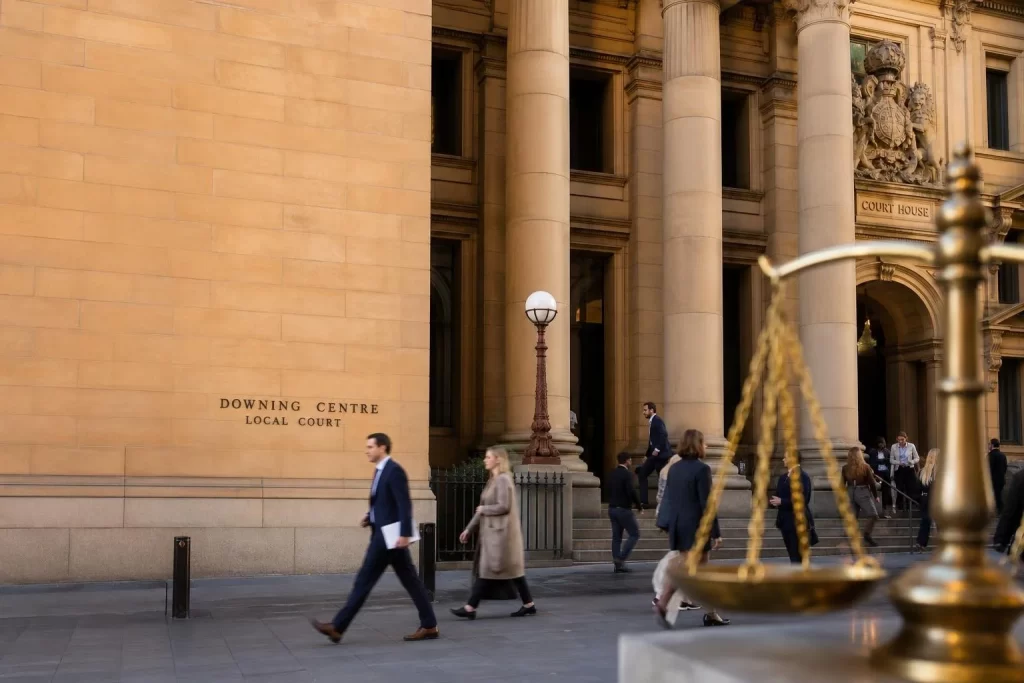

Dangerous driving penalties in Victoria have tightened. Courts can impose imprisonment, large fines, lengthy licence disqualification and vehicle impoundment, with higher ranges if drugs or alcohol are involved or harm results. Recent amendments strengthened hoon powers and immediate suspensions. Get legal advice quickly to assess evidence, mitigation and plea options.
Key Legal Points
- Dangerous driving is driving at a speed or in a manner dangerous to the public
- Victoria uses Road Safety Act and Crimes Act for base and aggravated offences
- Penalties include fines, community orders, imprisonment and licence disqualification
- Indictable charges for serious injury or death attract much higher sentences
- Police can impose immediate licence suspension and vehicle impoundment under hoon laws
- Recent reforms increased fine exposure via penalty unit indexation in Victoria
- Early evidence preservation and legal advice strongly influence case outcomes
Dangerous driving in Victoria involves driving that presents a serious risk to the public, even without a crash. It ranges from a summary traffic offence to indictable crimes when death or serious injury results. The law aims to deter high-risk behaviour and prioritise road safety.
Understanding Dangerous Driving in Victoria
Legal Framework
Victoria regulates dangerous driving through the Road Safety Act 1986 (Vic) for the base offence, and the Crimes Act 1958 (Vic) for aggravated harms. The indictable offence of dangerous driving causing death or serious injury is set out in Crimes Act 1958 (Vic) section 319. Sentencing occurs in the Magistrates’ Court for summary matters and higher courts for indictable charges.
Dangerous driving means driving at a speed or in a manner dangerous to the public in the circumstances. Culpable driving is a distinct, more serious crime involving gross negligence, recklessness or intoxication causing death.
Key Definitions
- Dangerous driving: a serious road risk from speed, manner of driving or ignoring conditions
- Serious injury: injury that endangers life or is substantial and protracted
- Immediate licence suspension: police power to suspend on charge for certain offences
- Vehicle impoundment: hoon laws enabling seizure for prescribed conduct
- Penalty units: Victorian fines are calculated by penalty units, indexed annually
What Has Changed Recently
Recent Victorian amendments, as part of road safety reforms, have increased fine levels through indexed penalty units, strengthened immediate suspension powers, and expanded hoon impoundment eligibility. Courts now more consistently impose lengthy disqualifications where alcohol or drugs compound dangerous driving. These trends reflect a policy shift toward deterrence.
Penalties for Dangerous Driving: Current Settings
Base Offence Penalties
For the summary offence of dangerous driving, courts may impose substantial fines, community correction orders, and imprisonment in serious cases. Licence disqualification is common, with the period shaped by risk factors such as speed, location, traffic density and prior history. In real scenarios, we see multi-month disqualifications even for first offenders where the risk was acute.
Aggravated Harm Penalties
For dangerous driving causing serious injury or death under section 319, the court can order long imprisonment terms, very lengthy disqualifications, and ancillary orders. Sentences depend on culpability, degree of danger, speed, impairment, and harm. Where alcohol or drugs are present, the penalty for dangerous driving typically rises sharply.
Hoon and Ancillary Consequences
Police may impound or immobilise a vehicle for repeat or egregious dangerous driving. Immediate licence suspension can apply upon charge. Ancillary orders often include program participation and conditions targeting risk factors, for example alcohol interlocks if relevant.
How Victorian Courts Assess Dangerous Driving
Risk and Context Factors
- Speed relative to limit and conditions, including wet roads or school zones
- Weaving, tailgating, red-light running, or phone use at high speed
- Time and place, such as peak-hour traffic or pedestrian-heavy areas
- Driver impairment due to fatigue, alcohol or drugs
- Prior traffic record and any similar incidents
Evidence Commonly Used
Police rely on speed detection, CCTV or dashcam, eyewitness accounts, crash reconstruction and medical records where harm occurs. Defence focuses on visibility, signage, mechanical defects, sudden emergencies and driver intention. Independent experts can be pivotal.
Practical Examples
Common patterns include freeway speeding in heavy rain, aggressive overtakes on single-lane rural roads, and phone distraction at 80 km/h near intersections. In each, dangerous driving arises from risk created in the specific conditions, even where no collision occurs.
Process and Steps if You Are Charged
Immediate Actions
- Record your version promptly, including road conditions and potential witnesses
- Arrange legal advice before any interview or statement
- Secure dashcam or telematics data and request CCTV preservation
- Check any immediate suspension or impoundment notice and comply
- Consider treatment or courses that address identified risks, such as driver safety
Court Pathway
Summary dangerous driving is heard in the Magistrates’ Court. Indictable charges may proceed via a committal then trial or plea in the County Court. Case management addresses disclosure, expert evidence, and resolution discussions. Pleading on agreed facts with targeted mitigation can materially affect sentence.
Legal Representation
Expert assistance with dangerous driving is available through Dangerous Reckless Driving Offences. For national context and distinctions between reckless and dangerous, see Reckless Dangerous Driving Offences Australia.
Common Mistakes in Dangerous Driving Cases
What to Avoid
- Admitting fault casually at the roadside or online without legal advice
- Ignoring immediate suspension, which risks fresh offences
- Failing to preserve dashcam and CCTV evidence quickly
- Assuming a fine is inevitable and neglecting mitigation material
- Overlooking how penalty unit indexation has lifted fine exposure
Real-world Examples
We often see defendants concede ‘I was rushing’ in body-worn footage, limiting later defences. Others lose crucial dashcam footage by delay. Early legal engagement can reframe facts as momentary inattention rather than sustained risk for dangerous driving.
Deadlines, Limits and Costs
Time Factors
There are strict timeframes to respond to charges and to challenge immediate suspension or impoundment. Disclosure and expert timetables are court-managed. Act promptly if you need adjournments to gather evidence or complete rehabilitative courses that assist on sentence.
Financial Considerations
Expect legal fees, expert reports and rising fine exposure due to penalty unit indexation. Insurance often excludes indemnity for intentional or criminal driving conduct. Weigh the costs of contesting versus pleading, given prospects and potential licence outcomes for dangerous driving.
Consequences beyond the Courtroom
Collateral Impacts
Convictions can affect work requiring a clean driving record, professional licences and travel. Long disqualifications disrupt employment and family logistics. Some industries treat a dangerous driving conviction as a serious conduct issue for ongoing accreditation.
Compliance Requirements
- Licence disqualification periods must be served in full before re-licensing
- Alcohol interlocks or program completion may be mandatory
- Failing to comply with orders can lead to breach proceedings and further penalties
Legislative Changes and Penalty Updates
Indexation and Higher Ranges
Victorian penalty units are indexed annually, lifting maximum fine exposure for dangerous driving. Recent amendments increased minimum disqualifications in scenarios involving impairment, and clarified immediate suspension triggers, aligning with a tougher deterrence posture.
Strengthened Hoon Enforcement
Reforms have expanded police powers to impound or immobilise vehicles for repeat or aggravated dangerous driving. Extended impoundment periods and streamlined forfeiture processes are used more frequently, especially where street-racing or egregious speeding is alleged.
Court Sentencing Trends
Sentencing remarks increasingly emphasise community protection. Aggravating features, such as school zones or high pedestrian density, drive harsher outcomes. Courts now commonly note that education programmes undertaken early can reduce recidivism risk and inform sentence for dangerous driving.
How to Resolve or Take Next Steps
Resolution Pathways
- Negotiate charge reductions where the evidence better fits careless driving
- Seek amendments to agreed facts to reflect momentary lapse rather than sustained danger
- File expert mechanical or human factors reports, if defects or perception issues are raised
- Prepare comprehensive mitigation, including remorse, rehabilitation and safe-driving plans
Recommended Actions
Engage a traffic lawyer early, request full brief disclosure and identify contestable elements such as speed estimation or CCTV context. Build a mitigation portfolio and consider a plea if prospects are limited. Professional representation for dangerous driving includes tailored advice on venue, evidence and sentencing strategy.
When to Seek Help
Obtain advice immediately if charged with dangerous driving causing serious injury or death, or if you face immediate suspension or vehicle impoundment. Early steps often influence outcome significantly.
Frequently Asked Questions
What is considered dangerous driving in Victoria?
Dangerous driving is driving at a speed or in a manner dangerous to the public in the circumstances. Courts assess speed, traffic density, weather, distraction, impairment and location. Even without a crash, conduct that creates a serious risk can be charged. Harm elevates the matter to indictable offences under the Crimes Act.
What penalties apply for dangerous driving causing serious injury or death?
Indictable penalties include lengthy imprisonment, very long licence disqualification and significant fines. Sentences vary with culpability, risk factors and harm. Where alcohol or drugs contributed, penalties increase. Section 319 of the Crimes Act 1958 (Vic) sets the indictable offence elements and sentencing framework.
Can police immediately suspend my licence for dangerous driving?
Yes, police have powers to issue immediate suspension for certain serious traffic charges. This is separate from court-ordered disqualification. You must comply or risk further offences. Legal advice can assess whether a review or targeted submissions to the court are viable at the first mention.
Have penalties for dangerous driving increased recently?
Yes, recent Victorian reforms increased fine exposure through penalty unit indexation, strengthened immediate suspension triggers and broadened hoon impoundment powers. Courts also emphasise deterrence and longer disqualifications, especially where alcohol, drugs or aggravated features are present.
Should I fight a dangerous driving charge or plead guilty?
It depends on the evidence and your objectives. A lawyer can test speed or CCTV proof, explore mechanical issues, and negotiate to careless driving if the risk profile is lower. If pleading, strong mitigation, early rehabilitation and adjusted facts can reduce penalties and disqualification length.
Will a dangerous driving conviction affect my job?
Often yes. Many roles require a valid licence or clean traffic record. Convictions can affect professional accreditations and insurance. Discuss timing of disqualification, eligibility for interlocks and steps to maintain employability with your lawyer before entering a plea.
Legal Disclaimer
Important Notice: The information provided on this website is for general informational purposes only and should not be considered as specific legal advice. Laws may vary between Australian states and territories, and legal requirements can change over time.
For specific legal advice regarding your individual circumstances, please consult with a qualified Australian legal practitioner who can provide guidance tailored to your particular situation.
This content is accurate as of the date of publication. We recommend seeking current legal advice for any legal matters.