
If you’re planning to migrate to Australia, understanding the current visa environment is essential. While permanent and temporary visa numbers have reached record levels, so have processing backlogs, policy shifts, and appeal delays. Whether you’re applying from overseas or already onshore, success now depends on preparation and a clear legal strategy.
At Law Tram, we help individuals and families move to Australia with greater certainty by connecting them with licensed Australian migration lawyers.
In this article, we break down the key migration trends in Australia from 2019 to 2024, explain what has changed in the migration system, and share practical insights that will help you make informed choices – especially if you’re looking to migrate to Australia from India, one of the top source countries in recent years.

Quick Summary – What You Need to Know Now
- Demand for skilled visas remains strong, but eligibility is tighter
- Over 60% of permanent migrants are now already in Australia
- Appeals take years – prevention is better than relying on a tribunal
- Student and post-study pathways are critical but under stricter scrutiny
- Employer-sponsored visas require higher salaries from 2024 onwards
- Housing and cost-of-living pressures affect where you should settle
- Legal advice can reduce your risk of long delays or missed opportunities
Why Australia’s Migration System Has Shifted So Rapidly
From COVID Lockdowns to Record Intakes
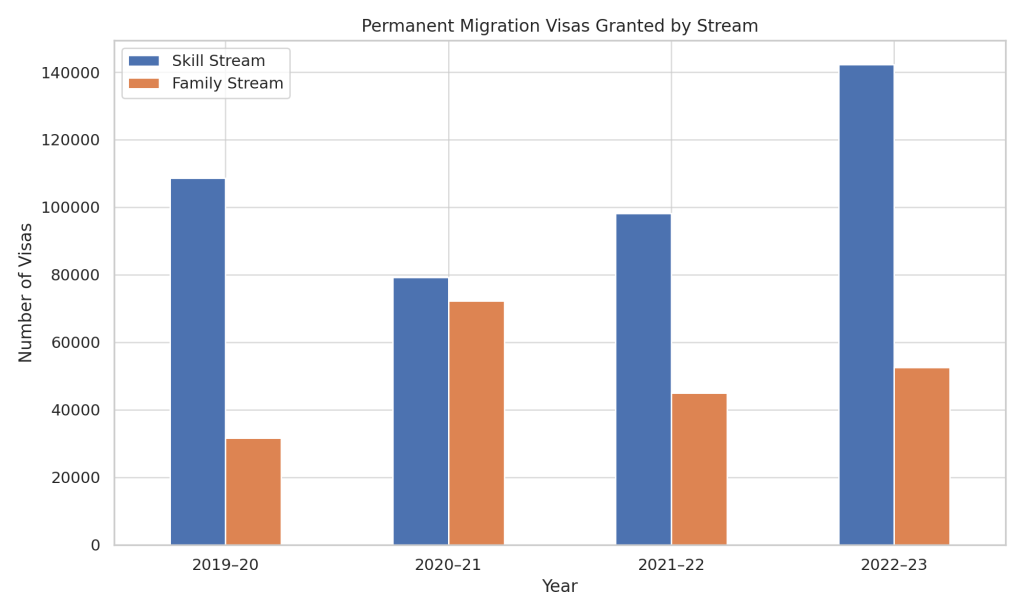
Over the five years from 2019 to 2024, Australia’s migration settings have undergone major changes. During the pandemic, border closures significantly reduced offshore arrivals. In response, the government shifted focus to applicants already inside Australia. This led to a temporary rebalancing of the permanent Migration Program, with family visas increasing and skilled visa grants dropping.
In 2022–23, as restrictions lifted, the program was expanded to 195,000 places – the highest permanent intake on record. That year marked a sharp rebound, with skilled migration resuming its usual priority and large numbers of international students and temporary visa holders seeking pathways to remain in Australia.
The Rise of Onshore Applicants and Two-step Pathways
A defining feature of today’s migration system is the preference for onshore applicants. In 2022–23, over 60% of all permanent visas went to people already living in Australia on temporary visas – many of them international students, skilled workers or bridging visa holders. If you plan to migrate to Australia, it’s important to understand this shift.
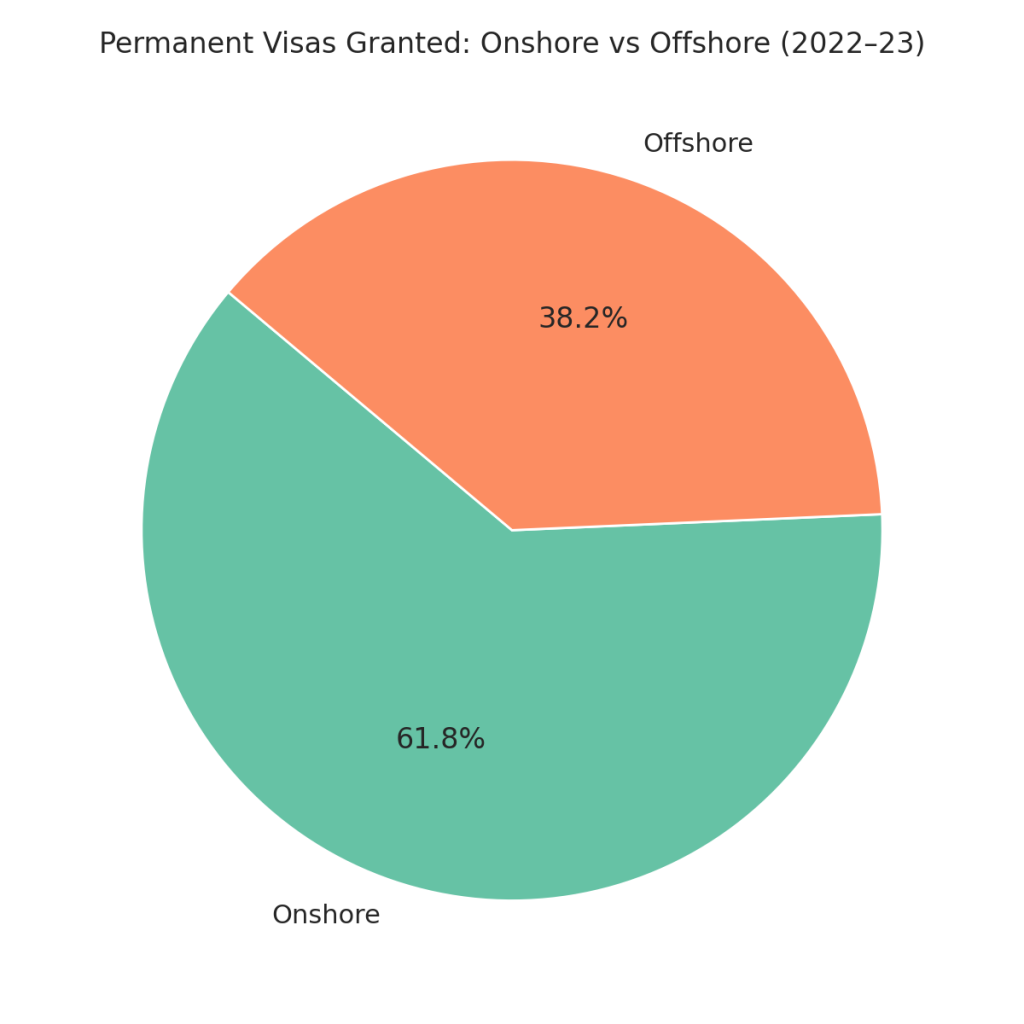
Temporary-to-permanent migration is now the dominant model. For example, someone may first arrive as a student, move to a post-study graduate visa, work in a nominated occupation, and eventually apply for a skilled or employer-sponsored permanent visa. This two-step path rewards long-term planning, compliance, and strategic choices early in the journey.
The Reality of Appeals – What Most Applicants Don’t See
Tribunal and Court Backlogs Remain Severe
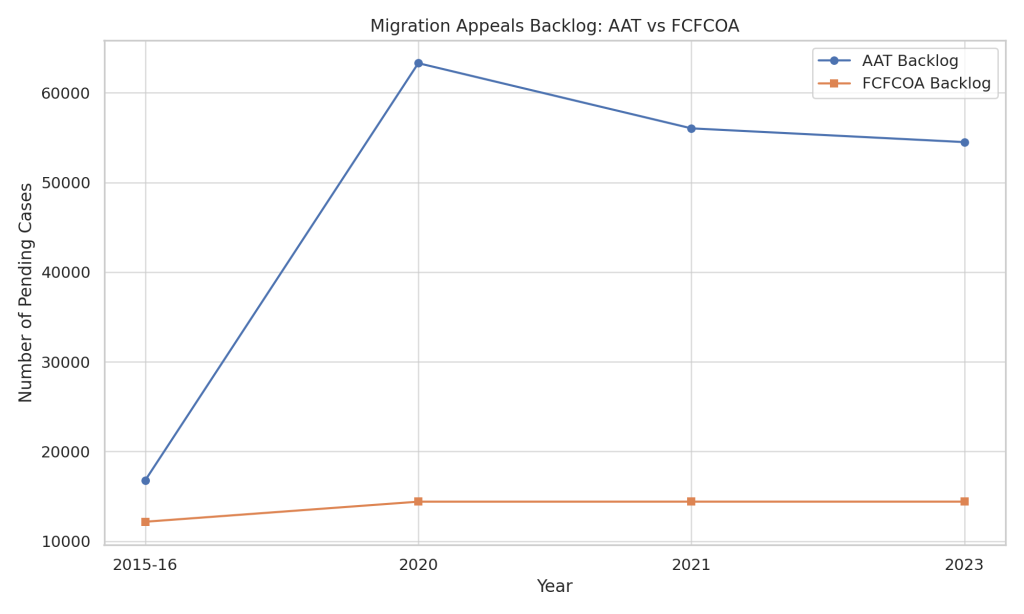
While thousands of people successfully move to Australia each year, a significant number have their applications refused. Many of these applicants pursue review through the Administrative Review Tribunal (ART) (previously known as the Administrative Appeals Tribunal or AAT) or the courts. However, the backlog in these systems is considerable.
As of mid-2023, the AAT had over 54,500 unresolved migration and refugee appeals. The majority involved protection visa cases, while others related to student, skilled or partner visas. The Federal Circuit and Family Court also faced rising delays, handling over 6,000 migration cases per year but finalising only around 4,000. Some appeals have been waiting years for resolution.
The New ART May Help, but Not Soon Enough
The government has responded by establishing a new Administrative Review Tribunal (ART), replacing the AAT in October 2024. The ART is designed to be more efficient and user-friendly, but it will inherit tens of thousands of unresolved cases. This means the review system will remain under pressure for some time.
If your visa is refused, you may still be able to appeal – but it could take years to receive a decision, especially in complex matters. This makes it critical to get your application right the first time.
Skilled Visas Are Still the Priority – But Not Easy to Secure
State-nominated and Regional Visas Dominate Allocations
The majority of permanent visas in 2022–23 were granted under the Skill stream, with over 142,000 places issued. But unlike earlier years, where independent visas were dominant, a growing share now comes through state-nominated and regional pathways. This shift reflects the government’s efforts to attract migrants to areas outside major cities.
Applicants targeting subclass 190 (state-nominated) or subclass 491 and 494 (regional) visas are well-placed – provided they meet skill, salary, and points requirements. These routes often offer more favourable processing and occupation lists, but also require careful planning and timely nomination.
Points-based Visas Now Need Higher Scores
For those pursuing a points-tested visa like the subclass 189 (Skilled Independent), competition is intense. While the minimum eligibility remains 65 points, recent invitation rounds show that most successful applicants score over 80. You can improve your score with regional study, advanced English (C2), partner skills, or NAATI certification.
This means if you’re planning to migrate to Australia from India or any other country under the skilled stream, it’s no longer just about ticking boxes – it’s about out-competing thousands of other high-calibre applicants.
Employer-sponsored Roles Must Meet Income Thresholds
Since July 2024, employer-sponsored visa applicants must be guaranteed a salary of at least $73,150. This will increase further in 2025. For some occupations, especially in hospitality, aged care, or retail, this new threshold may be out of reach unless you’re applying under a Designated Area Migration Agreement (DAMA), which offers concessions in regional areas.
Student Visas, Graduate Pathways and New Risks
Student Visa Grants Are Up, but Refusal Rates Are Climbing
Student migration remains a key part of Australia’s migration story. In 2022–23, over 577,000 student visas were granted, including more than 63,000 to Indian nationals – a 156% increase from the year before. This reflects Australia’s strong international education sector and the return of in-person learning post-COVID.
But refusal rates have also increased. Visa officers now apply more scrutiny to financial documents, course choices, and statements of genuine intent. A single weak document can trigger a refusal – and if that happens, you may end up stuck in the review system for years.
Graduate Visas Now Offer Longer Post-study Work Rights
Australia has extended the Graduate Work (subclass 485) visa for selected degrees, offering up to six years of post-study rights. This lets graduates gain the skilled experience needed for permanent residency, particularly in engineering, IT, health and teaching.
For many, this is the most practical way to migrate to Australia – study first, then transition to a work visa, and eventually secure a permanent place through employer sponsorship or points-tested options.
Authorities Are Cracking Down on Low-quality Providers
New integrity measures are being introduced to identify and penalise non-genuine education providers. Migrants linked to questionable colleges may face visa cancellation or problems with future applications. If you’re pursuing the student pathway, choose your provider carefully and make sure your plan makes academic and financial sense.
Temporary Migration and Population Pressures
NOM and Temporary Visa Numbers Are at Historic Highs
Temporary migration plays a major role in Australia’s population and workforce. By mid-2023, over 2.46 million people were living in Australia on temporary visas. This includes international students, working holidaymakers, graduate visa holders and bridging visa applicants awaiting decisions.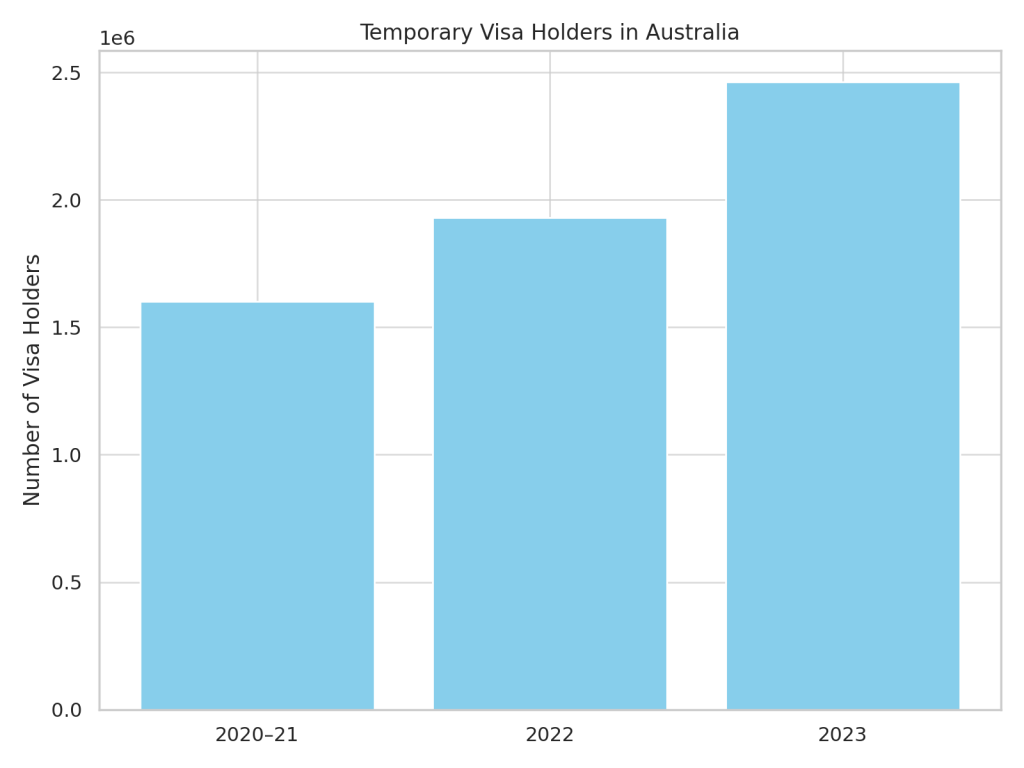
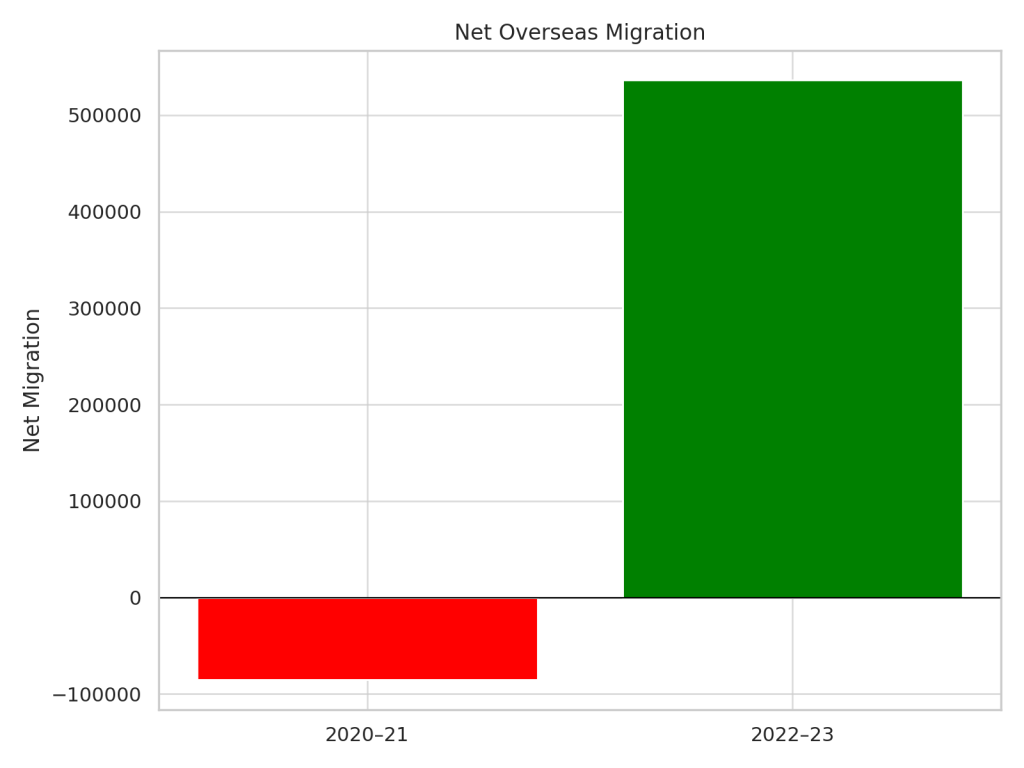
Australia’s net overseas migration (NOM) reached 536,000 in 2022–23 which was the highest ever recorded. International students were the single largest contributor. This migration surge supported economic recovery and filled gaps in sectors like hospitality, health, aged care, and agriculture.
Rental Pressure and Infrastructure Limits Affect Where to Live
The migration rebound has added pressure to already tight housing markets in Sydney, Melbourne and Brisbane. Rental vacancy rates are at historic lows, and many new arrivals are struggling to secure long-term accommodation.
If you are planning to move to Australia, it’s worth considering regional areas or smaller capital cities where housing is more accessible. Regional migration visas may also offer faster processing and more relaxed eligibility criteria.
How to Improve Your Chances
Apply Early in the Program Year
Visa places are allocated annually, starting each July. Many state and regional nomination programs run on limited quotas. If you are eligible to apply in July or August, you may benefit from faster processing and a greater chance of selection.
Consider Regional or DAMA Pathways
Designated Area Migration Agreements (DAMAs) allow regional employers to sponsor overseas workers in roles that may not meet standard visa thresholds. These options are ideal if your occupation falls just short of income or skill requirements.
Submit Decision-ready Documents From Day One
Applicants who front-load their health checks, police clearances, English results and certified translations are often prioritised. A complete application can help you avoid back-and-forth with the Department and reduce the risk of refusal.
Legal Support Can Help Avoid Critical Errors
A small mistake can lead to refusal or cancellation. Seeking legal advice before applying can help you avoid costly missteps. Law Tram connects you with Australian migration lawyers and registered migration agents who understand both policy and process, helping you lodge with confidence.
Migration to Australia – A Complex but Navigable Path
Australia’s migration system has become more structured and more selective. Policy now favours high-skill applicants, regional settlement, and those who are already in the country. While this creates new opportunities, it also requires a more strategic and informed approach.
If you are seeking to migrate to Australia from India or elsewhere, it is critical to align your application with Australia’s current priorities. Whether you are applying through skilled migration, employer sponsorship, or a family stream, preparation is key.
At Law Tram, our Legal Partners help individuals and families move to Australia with greater clarity and confidence. By connecting you with licensed migration lawyers, we help you make informed choices from the beginning – avoiding delays, refusals, and unnecessary costs.
Start Your Free, Confidential Consultation
Law Tram offers a secure, efficient, and supportive way to connect with expert legal help. Whether you are applying for a visa, appealing a refusal, or unsure which pathway is best for your family, our platform helps you make informed decisions with guidance from qualified Australian migration lawyers.